

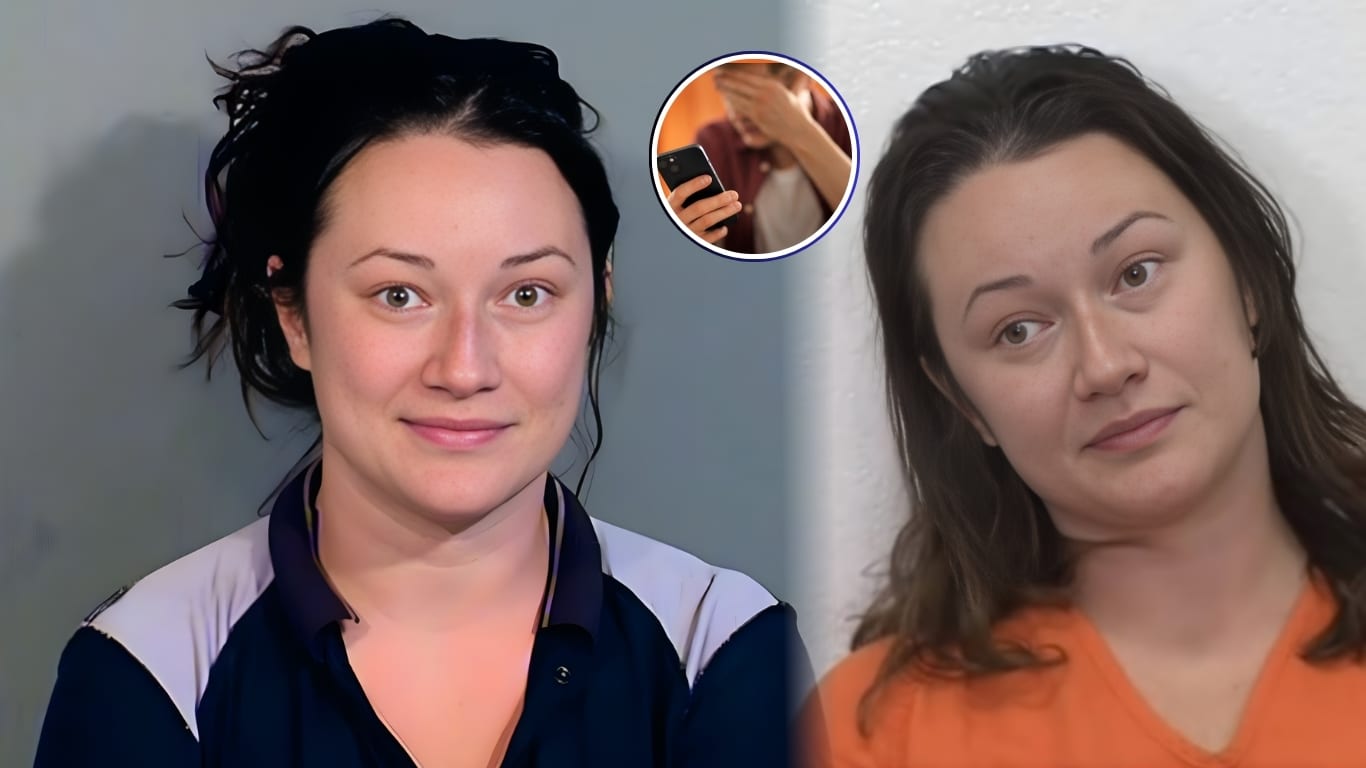
From First Date to Stalking Obsession

According to court and police records, 31‑year‑old Jacqueline Claire Ades met a man in July 2017 through the dating app Luxy, a platform geared toward affluent daters. The two went on a first date in Arizona — but after that one meeting, the man chose not to pursue a relationship. After he made it clear he wasn’t interested in seeing her again, things took a disturbing turn.
Rather than moving on, authorities say Ades began an obsessive pattern of communication, flooding the man with messages that would escalate dramatically over time. In the span of about 10 months, she is accused of sending more than 159,000 messages — that’s an average of hundreds of texts every single day.
The Content of the Messages: From Romantic to Terrifying
While some of the initial messages reportedly contained romantic overtures, their tone quickly deteriorated. Police documents released to the public reveal that once the man made no return contact, the messages turned into harassing threats and violent language.
Some of the chilling alleged texts conveyed gruesome imagery, including lines like:
-
“I would make sushi from your kidneys and chopsticks from your finger bones.”
-
“I would like to bathe in your blood.”
-
“I would wear the meninges — the top part of your skull — your hands, and your feet.”
These disturbing messages were among those included in evidence compiled by authorities.
Allegations of Stalking and Trespassing
The man reported the harassment to police in July 2017, when officers first encountered Ades parked outside his home. Paradise Valley police escorted her off the property at that time, but the harassment persisted.
In April 2018, police later arrested Ades again after she was found inside the man’s home — reportedly taking a bath in his bathtub while he was away. Court documents also noted that a butcher knife was discovered in her car during that incident, leading to additional charges.
According to reports, Ades didn’t stop with digital harassment: she also showed up at the man’s workplace, even claiming to be his wife, before being arrested.
Legal Charges and Arrest

Ades was ultimately arrested by Paradise Valley police and charged with multiple offenses, including stalking, harassment, and criminal trespass. The man’s report and police investigations were instrumental in building a case against her, leading to her detention with no bond.
Court proceedings revealed the true scale of her message campaign only after public release of police documents — initially, earlier media reports cited a lower figure of around 65,000 texts, but later documents clarified that the total number exceeded 159,000 messages.
As of the latest public reporting, Ades has pleaded not guilty to the stalking and trespass charges and is awaiting trial.
The Psychology of Stalking: Beyond Messages
Cases like Ades’s, while extreme, shed light on patterns law enforcement and psychologists identify in certain types of stalking behavior: obsessive fixation, inability to accept rejection, and escalation of communication when faced with distancing or lack of response. Experts explain that persistent communication can, in some individuals, escalate into harassment or predatory behavior when boundaries and consent are ignored.
Psychologists emphasize that attachment‑related anxieties, social rejection, and personal mental health challenges can contribute to obsessive behaviors. Still, no matter the cause, crossing into threats, harassment, and trespassing violates not only personal safety but also legal boundaries. Cases like these illustrate just how serious that can be.
A Cautionary Tale for Online Dating
This story also highlights inherent risks around online dating and digital communication. Virtually all of us use mobile phones, messaging apps, and social networks to connect — but without consent and restraint, that same technology can be used to invade privacy, create fear, and perpetuate harassment.
Experts who study stalking and intimate partner violence recommend:
-
Blocking unwanted contacts immediately
-
Documenting harassment with screenshots and logs
-
Reporting concerning behavior to authorities early
-
Avoiding face‑to‑face interactions with someone who refuses to respect boundaries
When signals of obsession, threats, or refusal to accept rejection emerge, they can be not just “creepy,” but potentially dangerous. In situations like the one involving Ades, law enforcement intervention can be critical for victim safety.
Online Dating and Safety Awareness

Online dating is now mainstream, with millions using apps to find partners annually. However, consent, respect, and mutual interest remain crucial, even in digital interactions. While rare, extreme cases like Jacqueline Claire Ades’s serve as a stark reminder that stalking is a real crime, encompassing not only relentless messages but also threats, physical trespass, and psychological harm. If you ever feel unsafe after meeting someone online, trust your instincts and take protective action early, including contacting law enforcement if needed.
Final Thoughts
Starting as a single date on an online platform, the case escalated into one of the most extraordinary stalking incidents in recent years. A woman’s compulsive messaging campaign – totaling over 159,000 messages, many of them threatening – demonstrates how rejection can trigger dangerous and unlawful behavior in extreme cases. As online communication continues to shape dating culture, prioritizing consent, boundaries, and safety remains essential, not only for building connections but also for protecting people from harm.
