


A chilling discovery has emerged from an ancient catacomb, where a 17-year-old boy exploring the underground burial site stumbled upon a set of human remains that have left archaeologists and the public shocked. The boy’s findings are not just of historical interest, but are also deeply unsettling: the remains, which weighed 16 kg, had been carefully preserved with all organs removed. This grisly find raises many questions about the burial practices of ancient civilizations and the rituals associated with death and the afterlife.
The discovery comes amid growing interest in historical and archaeological exploration, where the line between curiosity and danger is sometimes thin. But what does this discovery tell us about the cultures that once lived in these catacombs? And what significance do the removal of organs and the weight of the remains hold in understanding ancient burial practices?
The Discovery:

The 17-year-old boy, whose identity has not been disclosed, had ventured into the ancient catacombs located in a historically significant part of the world. While many have explored similar burial sites for years, this particular exploration led to a discovery that stunned both the boy and the archaeological community. As he ventured deeper into the catacombs, he stumbled upon a set of human remains, unlike anything typically found in such environments.
The body, carefully arranged within a burial chamber, had been stripped of its internal organs. Archaeologists later confirmed that this was not a random act of decomposition but rather part of a specific and deliberate burial ritual. The remains, despite the missing organs, were preserved remarkably well, with the bones and skeletal structure still intact, revealing that the person had been buried with a high level of care and intentionality.
What made this discovery even more astonishing was the weight of the remains. Weighing in at 16 kg, the remains were significantly lighter than what might be expected from an average adult, highlighting the fact that all the internal organs, which typically account for a substantial portion of body weight, had been removed.
The Removal of Organs: Ancient Rituals and Practices
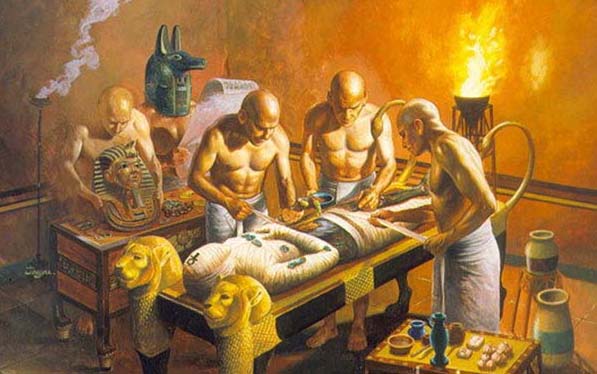
The act of removing organs from the deceased is not unique to this particular discovery; in fact, it has been a common practice among various ancient cultures for centuries. Organ removal is often associated with mummification and embalming, rituals that were meant to preserve the body for the afterlife. The ancient Egyptians are perhaps the most famous for their use of mummification, but other civilizations also practiced similar rituals.
In the case of the remains found in the catacombs, the removal of organs appears to be part of a burial practice meant to ensure that the body was protected from decay. This practice may have been designed to prepare the individual for an afterlife or to maintain spiritual purity, both of which were central concepts in many ancient belief systems. The careful removal of the organs, and the preservation of the body, suggests a significant level of ritual and respect for the deceased.
The exact purpose behind this specific burial practice, and which culture was responsible, is still unclear. However, similar practices have been found across ancient civilizations, including in Rome, Greece, and Egypt. In some cultures, the internal organs were carefully preserved in separate containers, while in others, the body was treated with oils, resins, and other substances to prevent decomposition.
The Significance of the Remains’ Weight:
The discovery of remains that weighed just 16 kg has sparked widespread interest, not only because of the organ removal but also due to the unusual lightness of the body. When an adult human body is intact, the organs make up a significant portion of the overall weight. Without the organs, the body is considerably lighter, which is consistent with the discovery in the catacombs.
Researchers believe that the weight of the remains suggests that the body was preserved in a way that minimized the loss of other bodily fluids and materials. It’s possible that the individual was embalmed, with substances used to replace the lost mass and maintain the structural integrity of the body.
The 16 kg weight may also offer insight into the age and health of the individual. It is possible that the person was either young or in poor health prior to death, which could have contributed to the body’s lighter weight. The absence of the organs and the careful preservation could indicate a desire to protect the individual’s remains for spiritual or cultural reasons.
Why the Catacombs?
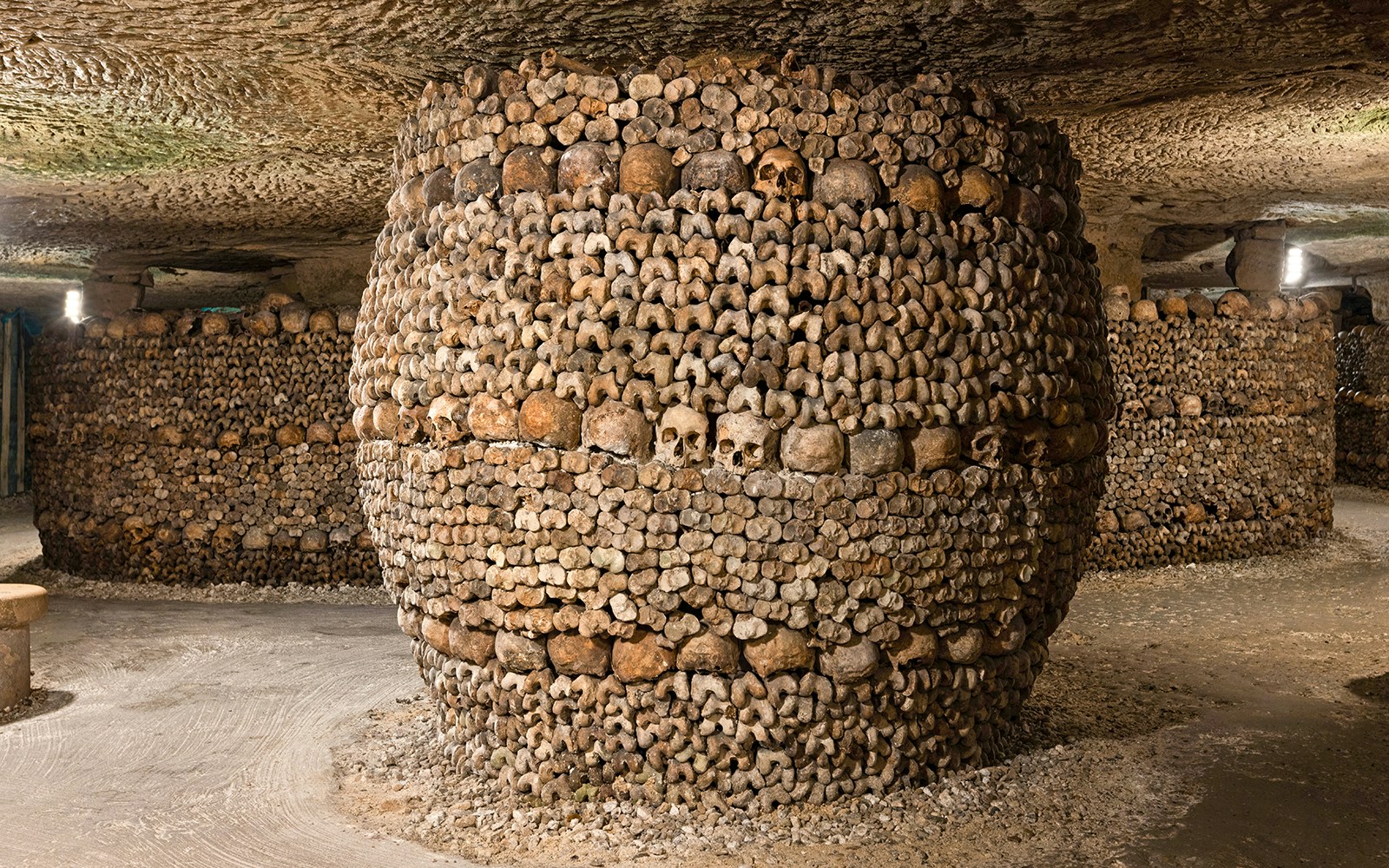
Catacombs have long been used as burial sites, especially in civilizations that practiced elaborate death rituals. The catacombs are often chosen for their secrecy and their ability to house large numbers of burials, as well as for their association with religious beliefs about the afterlife.
In ancient Rome, for instance, the catacombs were used by early Christians as burial places during times of persecution. These burial sites offered safety and sanctity, but also acted as a final resting place for individuals who may have been revered for their roles in the community. Similarly, ancient Egyptian catacombs held the bodies of pharaohs, royals, and high-ranking officials, ensuring that their remains would be treated with the utmost respect.
For the boy who discovered these remains, the catacombs served as a portal to the past—a chance to uncover one of history’s hidden secrets. The preservation of the remains, and the mystery surrounding the organ removal, is a powerful reminder of how cultures across the globe have revered and respected the dead, even in the most eerie and hidden of spaces.
Archaeological Impact and the Future of the Discovery:
While the discovery of the remains is still being studied, experts believe it offers a wealth of information about the burial practices of the civilization that created these catacombs. By examining the body’s preservation methods, the archaeologists can potentially gain insights into the customs, rituals, and beliefs of the people who lived in that area.
The discovery could also lead to further excavations of the catacombs, potentially uncovering more information about this ancient culture and its practices. What’s more, the study of the removal of organs and the preservation of bodies could provide valuable knowledge about early embalming techniques and how different cultures approached the concept of death and the afterlife.
For the young boy who made this discovery, it serves as an incredible moment in his life, opening a window into the past and the practices that shaped ancient societies. This discovery could potentially inspire a new wave of interest in the study of ancient burial rituals and the lasting impact they have had on how we understand death and preservation today.
Conclusion:
The discovery of a 17-year-old boy finding remains in an ancient catacomb that weighed just 16 kg and had all organs removed is a striking reminder of the complex burial practices that were employed in ancient civilizations. While still shrouded in mystery, the find offers a glimpse into the sophisticated and spiritual practices of the past, highlighting the cultural reverence for the dead and the desire to preserve their legacy.
The boy’s discovery is not only a significant archaeological find but also a reminder of the importance of preserving and understanding the history of ancient civilizations. As further research unfolds, it’s likely that this find will continue to reveal more about the lives and customs of those who lived in the distant past.
