

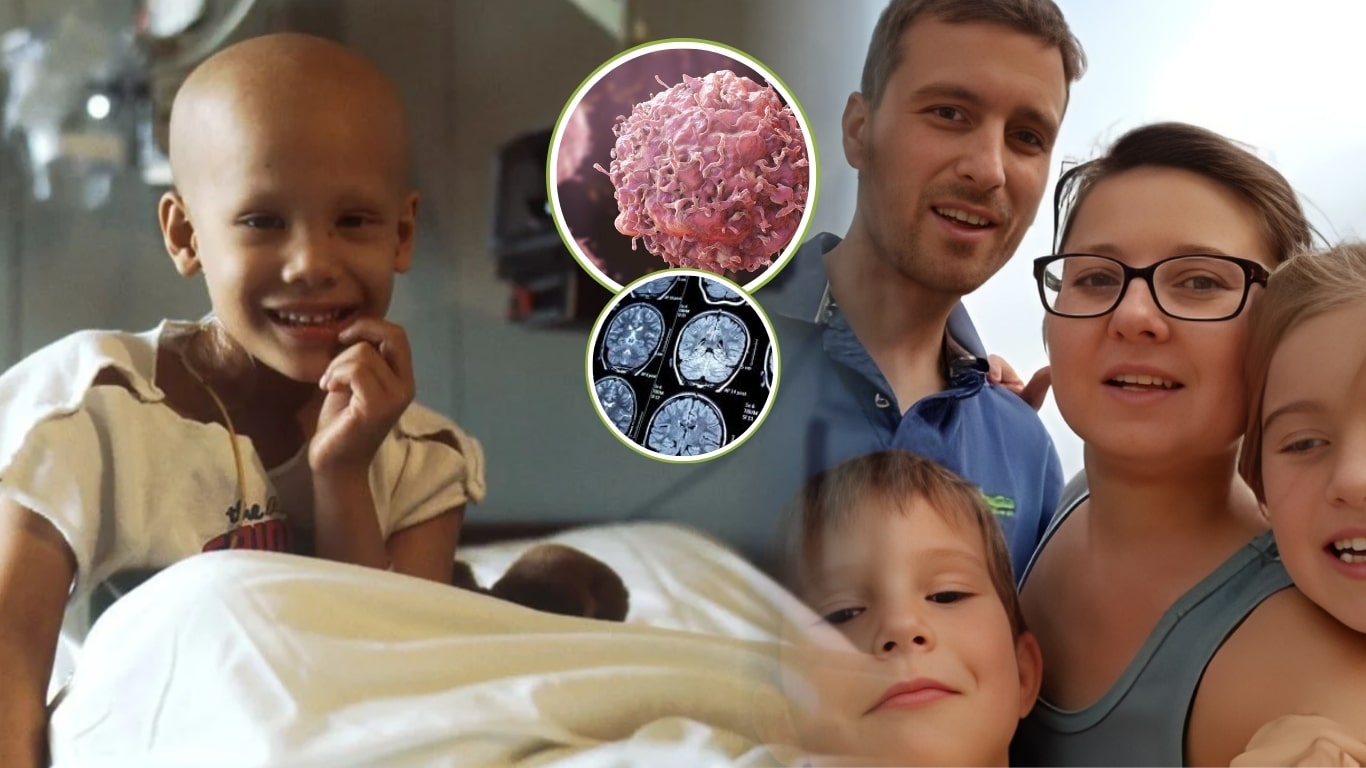
In what many scientists are calling a historic medical breakthrough, a 13-year-old boy from Belgium has become the first known patient to be completely cured of one of the world’s deadliest childhood brain cancers. For decades, the disease—called Diffuse Intrinsic Pontine Glioma (DIPG)—has been considered virtually untreatable. Yet this remarkable case has brought new hope to families and researchers across the globe.
Understanding the Deadliest Childhood Brain Cancer

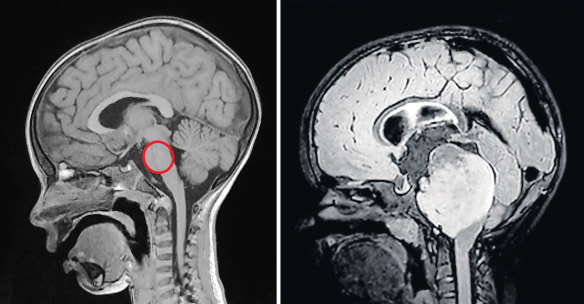
Diffuse Intrinsic Pontine Glioma, commonly known as DIPG, is a rare but highly aggressive tumor that forms in the brainstem—the area responsible for essential functions like breathing, heart rate, and muscle control. Because of its sensitive location deep within the brain, surgery is usually impossible. Chemotherapy has also proven largely ineffective.
For decades, the prognosis has been devastating. Most children diagnosed with DIPG survive only 8 to 12 months, and fewer than 10% live longer than two years after diagnosis.
Every year, hundreds of families around the world receive this heartbreaking diagnosis, often being told there is little doctors can do beyond radiation therapy to temporarily slow the tumor’s growth.
Against this grim backdrop, the recovery of a Belgian boy named Lucas has stunned the medical community.
The Boy Who Beat the Impossible
Lucas was just six years old when he was diagnosed with DIPG. Like most children with this cancer, doctors initially told his family that the disease was incurable. But instead of accepting the standard prognosis, Lucas became part of an experimental treatment program.
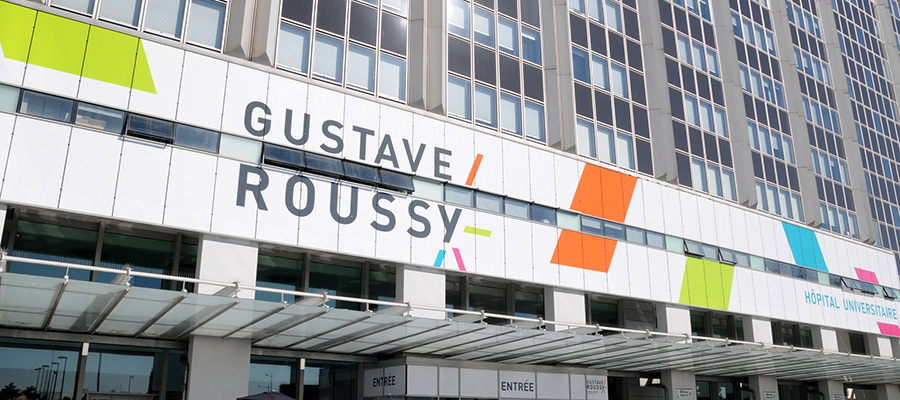
His parents enrolled him in a clinical trial at the Gustave Roussy cancer center in Paris, one of Europe’s leading cancer research institutions. The trial involved a targeted drug therapy designed to attack specific molecular mutations inside cancer cells.
Over time, doctors noticed something extraordinary.
Lucas’s tumor began to shrink—something rarely seen in DIPG cases. Even more astonishing, the tumor continued to regress until it eventually disappeared entirely.
Years later, after careful monitoring and continued treatment, doctors confirmed the unimaginable: there was no trace of the cancer left.
By the age of 13, Lucas was officially considered cured, making him the first documented case of complete recovery from DIPG.
Researchers described his survival as defying every known expectation.
Why Lucas’s Case Is So Important
.jpg)
Lucas’s recovery is more than just a remarkable personal story—it could reshape how scientists understand and treat childhood brain cancer.
One reason his case is so significant is that DIPG tumors are notoriously resistant to treatment. The tumor cells grow within the brainstem itself, intertwining with healthy tissue. This makes surgery impossible and prevents many drugs from reaching the tumor effectively.
Lucas’s treatment appears to have worked because his tumor had a specific genetic mutation that responded unusually well to the targeted drug used in the trial. Researchers now believe this discovery could open new pathways for precision medicine—treatments tailored to the genetic makeup of each patient’s tumor.
Doctors studying the case hope that identifying these mutations will help develop new therapies for other children with DIPG.
In other words, Lucas’s cure might not remain unique forever.
A Turning Point in Pediatric Cancer Research

Scientists emphasize that Lucas’s recovery does not mean DIPG has been conquered yet. The disease remains one of the most challenging cancers in pediatric oncology.
However, his case has provided researchers with invaluable insight into how certain tumors respond to targeted therapies. Clinical trials are now expanding to explore similar treatments for other patients.
Researchers say this could mark the beginning of a new era in pediatric brain cancer treatment—one where individualized therapies replace one-size-fits-all approaches.
For families facing DIPG diagnoses, even a single cure represents something that once seemed impossible: hope.
The Human Side of the Breakthrough
While scientists analyze the medical data, Lucas today is simply enjoying life as a normal teenager. Years after his diagnosis, he is living cancer-free—something few children with DIPG have ever experienced.
His doctors, who initially struggled to believe the results, continued monitoring him carefully for years before declaring the cancer gone. One physician involved in his treatment admitted there was “no other reference in the world” for stopping his therapy because no patient had previously recovered this way.
Lucas’s story now stands as a powerful reminder of the importance of research, clinical trials, and perseverance in the face of seemingly hopeless diseases.
Hope for the Future
Medical breakthroughs rarely happen overnight. They often begin with a single unexpected case that challenges established beliefs. Lucas’s recovery could become that pivotal moment for DIPG research.
Scientists are now studying why his tumor responded differently and how the same strategy might help other children. If similar treatments can be replicated, the diagnosis that once meant certain tragedy could someday become manageable—or even curable.
For now, Lucas’s story represents something extraordinary: proof that even the most “incurable” diseases can sometimes be defeated.
And for families around the world fighting childhood cancer, that possibility means everything.
