

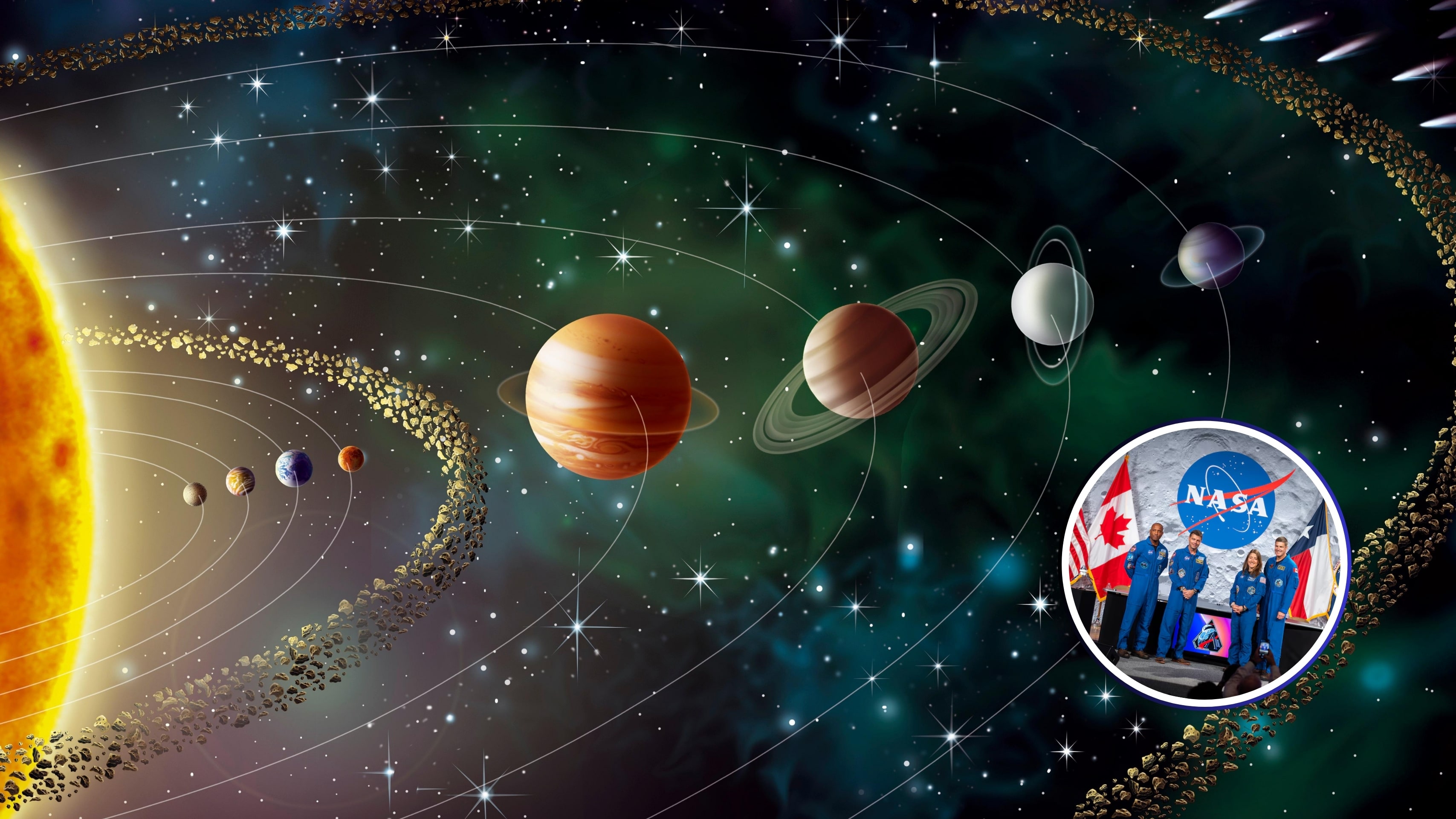
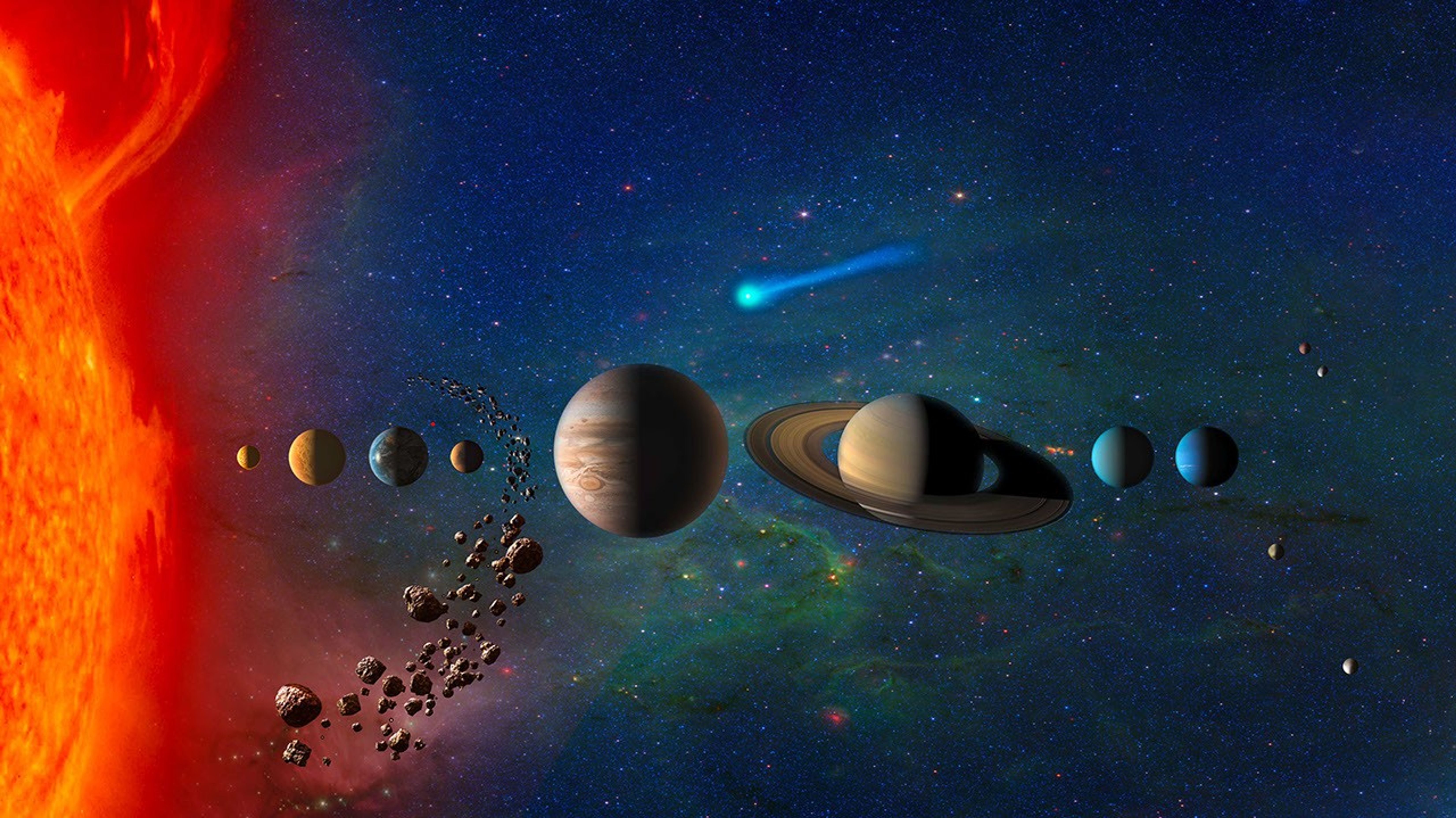
For decades, humanity’s view of the cosmos was limited to twinkling points of light and grainy sketches. Today, thanks to a fleet of robotic explorers and powerful space telescopes, we can see worlds once only imagined with stunning clarity. In recent years NASA has released some of the clearest, most detailed images ever captured of the planets that share our Solar System, revealing textures, atmospheric phenomena, and features that provide not only awe‑inspiring beauty but critical scientific insights.
From the scorched surface of Mercury to the vibrant belts of Jupiter, these high‑resolution images represent the culmination of decades of exploration by spacecraft such as MESSENGER, Voyager, Cassini, HiRISE on the Mars Reconnaissance Orbiter, and Juno. Let’s take a planetary tour through these remarkable snapshots.
📸 Mercury: A Rugged, Cratered World
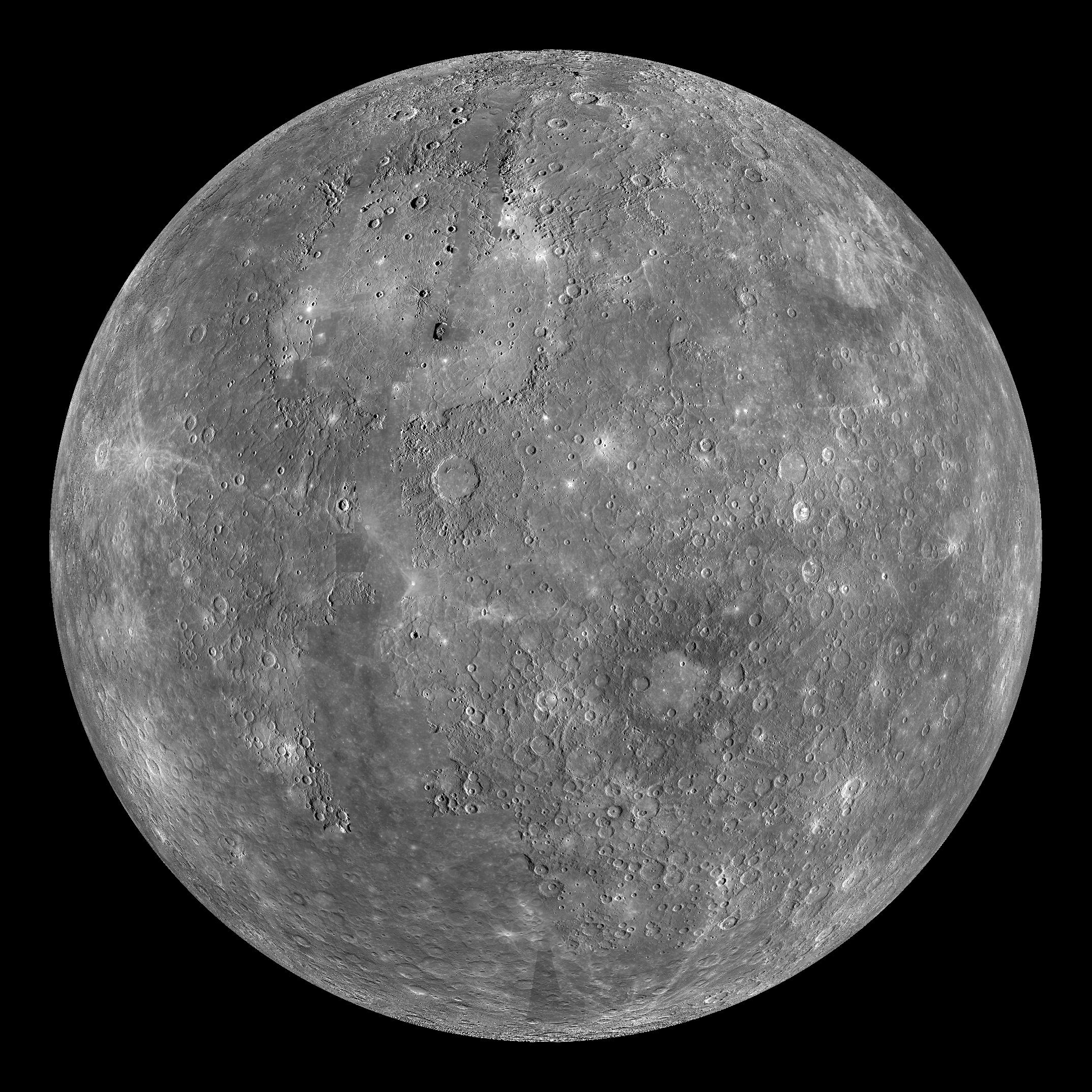
Mercury — the smallest and innermost planet — was largely a mystery until NASA’s MESSENGER spacecraft mapped its surface between 2011 and 2015. The images returned showed a landscape etched with thousands of impact craters and strange, cliff‑like scarps formed as the planet cooled and contracted. These photos are some of the sharpest views of any terrestrial world other than Earth and Mars.
☁️ Venus: Shrouded in Clouds
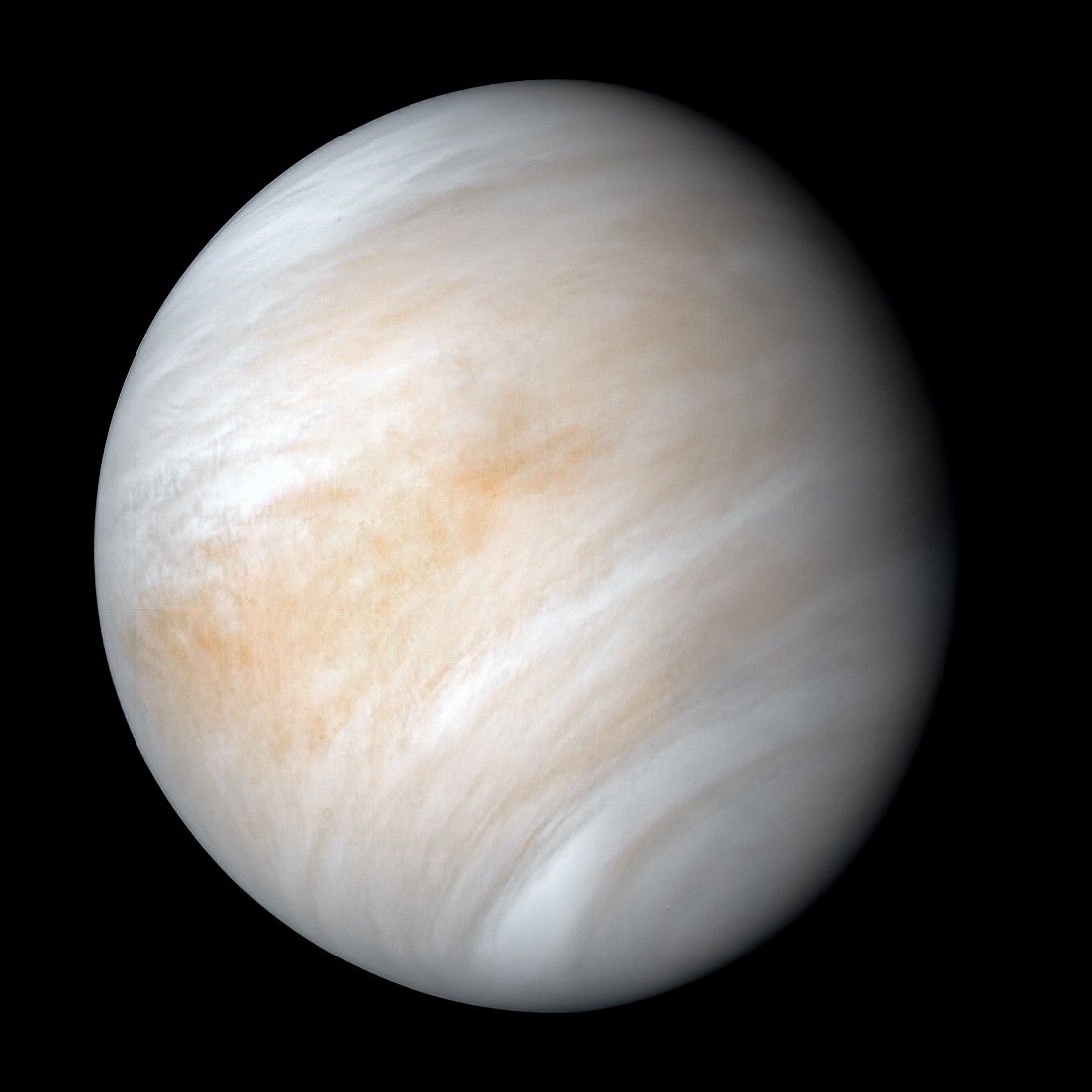
Venus may be cloaked in thick clouds, but radar mapping from NASA’s Magellan mission in the 1990s and imaging by other probes have peeled back the veil. While visible light images don’t show the surface, radar data reveal mountain ranges, volcanoes, and plateaus beneath the dense atmosphere. These visuals remain some of the most detailed records of Venus’s complex geology.
🌍 Earth: Home in High Definition
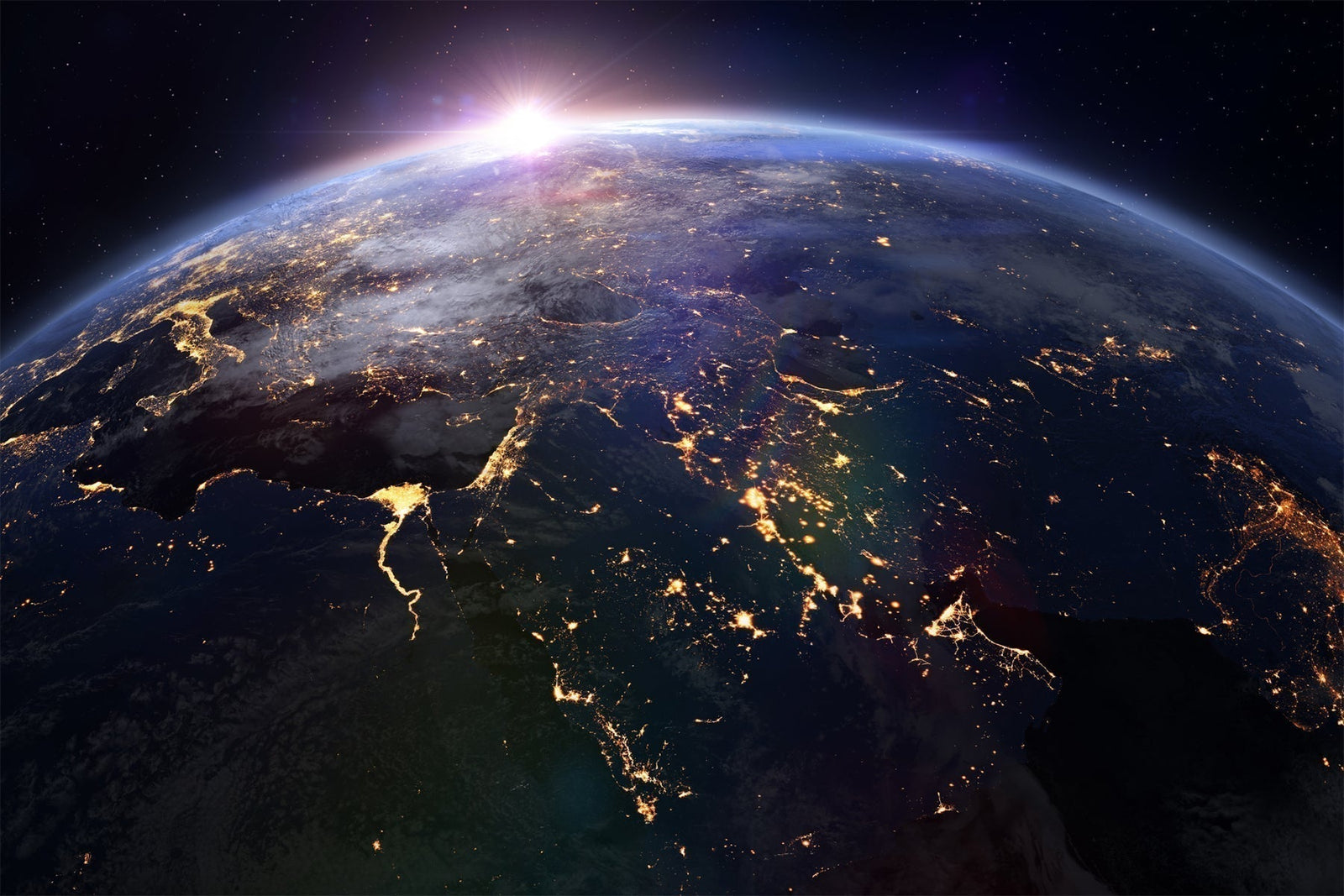
Earth itself has been photographed in astonishing detail by satellites and missions such as NOAA’s EPIC camera aboard the DSCOVR spacecraft. These images offer full‑disk views of our planet with color and resolution far beyond the famous “Blue Marble” photo, allowing scientists to monitor weather systems, land changes, and climate patterns in real time.
🔴 Mars: A Desert of Detail

Mars has arguably received the most photographic attention of any planet. NASA’s Mars Reconnaissance Orbiter (MRO) carries the HiRISE camera, capable of imaging surface features less than a meter across. In fact, HiRISE recently reached a milestone of over 100,000 images of the Red Planet, revealing dunes, erosion patterns, and ancient riverbeds with unmatched precision.
These images not only satisfy our curiosity but guide rover missions and future human exploration routes. They show evidence of past water activity and help scientists study seasonal surface changes.
🌪 Jupiter: Giant Storms and Turbulent Atmospheres

Jupiter’s swirling clouds and iconic Great Red Spot have been captured in incredible detail by the Juno spacecraft, which has been orbiting the gas giant since 2016. With its dedicated camera, JunoCam, the mission has delivered jaw‑dropping views of Jupiter’s polar cyclones and atmospheric bands, revealing structures and storms that were invisible to earlier missions and telescopes.
These images provide clues to the planet’s internal structure and dynamics and are some of the sharpest close‑range photos of the largest planet in our Solar System.
💍 Saturn: Rings and Wonders
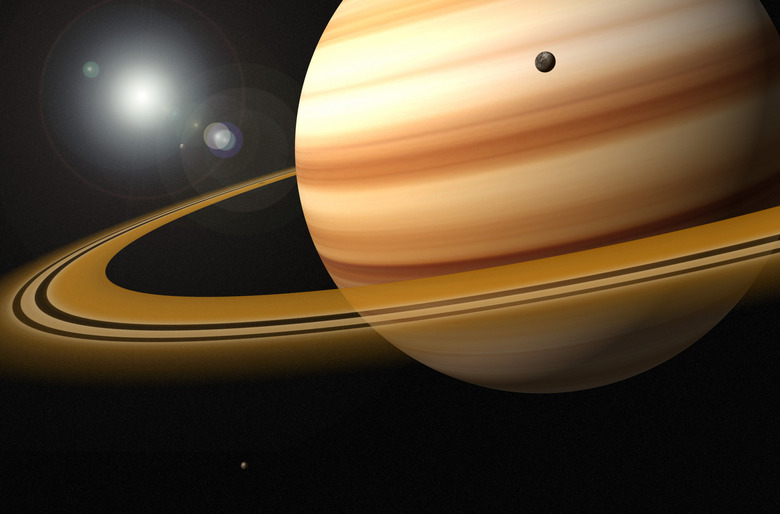
Saturn’s stunning rings and complex atmospheric features were brought into unprecedented focus by the Cassini–Huygens mission, which orbited the planet from 2004 to 2017. Cassini’s high‑resolution images uncovered intricate ring structures, dynamic weather patterns on Saturn, and new insights into ice plumes on its moon Enceladus.
Especially memorable are the ring‑plane views and high‑contrast shots of Saturn’s hexagon storm at the north pole — a feature that only became visible with sustained observation.
🌀 Uranus & Neptune: The Ice Giants

Though more distant and challenging to image, Uranus and Neptune were first seen in detail by Voyager 2 during flybys in the 1980s. These faded blue worlds still maintain an air of mystery, but Voyager’s images revealed tilted axes, faint ring systems, and atmospheric features unlike those found closer to the Sun.
Unlike the gas giants Jupiter and Saturn, these “ice giants” have deeper interior layers of volatile ices like water, ammonia, and methane, giving their images a strikingly uniform blue hue.
📌 Why These Images Matter
The release of ultra‑clear pictures of our planetary neighbors is about far more than pretty visuals. Each image is a piece of scientific evidence, shaping our understanding of planetary formation, climate, geology, and even the potential for life elsewhere.
High‑resolution imaging helps scientists:
-
Study planetary atmospheres and weather systems
-
Identify geological processes — like erosion, volcanism, and tectonics
-
Pinpoint safe landing sites for future missions
-
Track seasonal and long‑term surface changes
As NASA’s archive of spacecraft imagery grows, so too does our understanding of the Solar System’s diversity and complexity.
🌌 Final Thoughts
From the scarred plains of Mercury to the roiling storms of Jupiter and the icy shroud of Neptune, NASA’s clearest planetary images represent humanity’s most intimate portrait yet of our celestial neighborhood. These stunning photographs not only satisfy our aesthetic wonder but drive scientific discovery and inspire future generations of explorers.
Whether you’re a space enthusiast, aspiring scientist, or casual stargazer, the story told by these images continues to evolve — and one day, they may guide us to places beyond our wildest dreams.
