

What Actually Happened During the Halftime Show
:max_bytes(150000):strip_icc():focal(669x179:671x181)/bad-bunny-parents-concert-brooklyn-011425-7ad8293ae9b34a0aa87e579fa2817793.jpg)
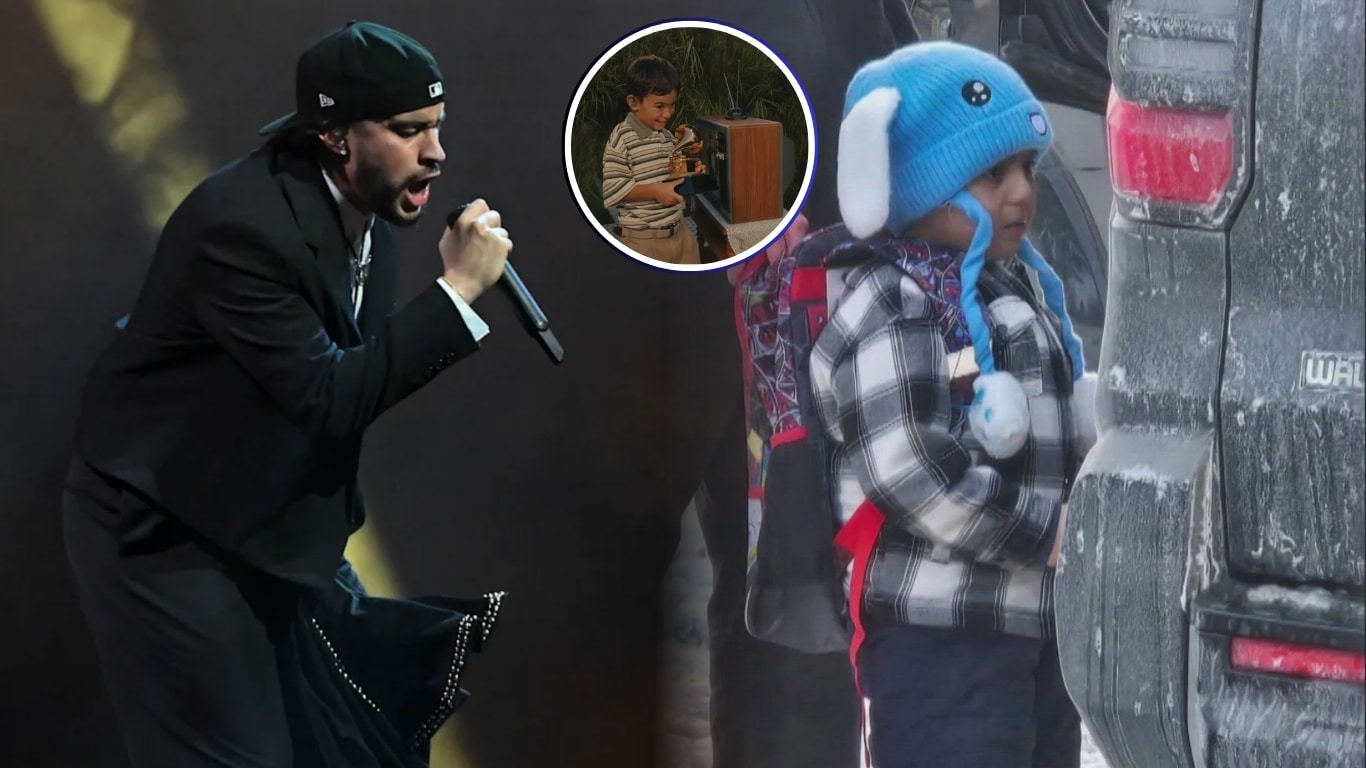
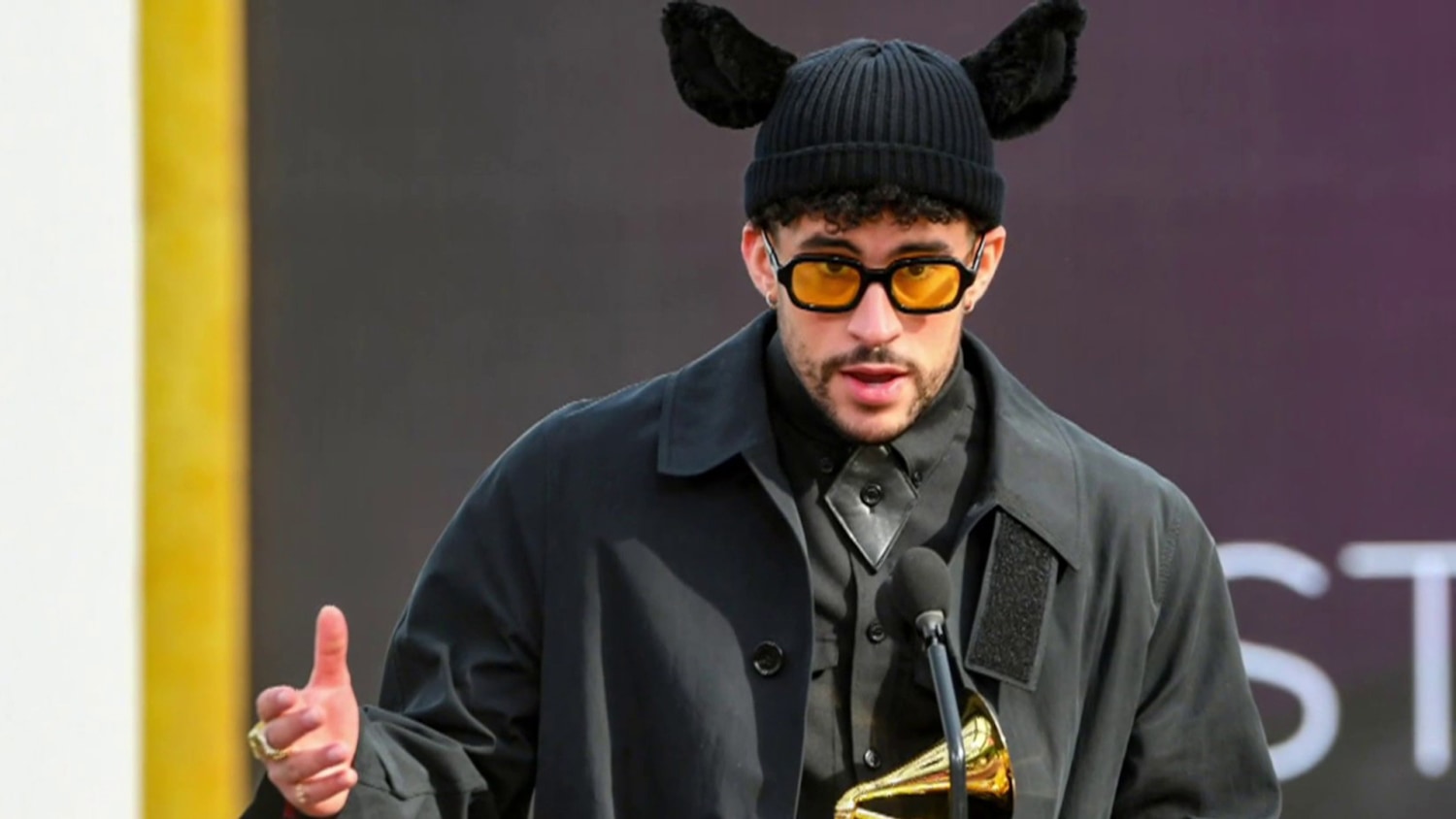
During the 2026 Super Bowl LX halftime performance, Bad Bunny — fresh off his historic Grammy win for DeBÍ TiRAR MáS FOToS — staged a vibrant, culturally rich spectacle celebrating Latino life, dreams, and community. Part of this performance included a staged sequence where a young boy, portraying a young version of Bad Bunny, appears watching the singer’s Grammy acceptance speech on television. In a symbolic, feel‑good moment, Bad Bunny bends down and hands the child a Grammy trophy on stage, encouraging him to “always believe in yourself.”
This moment, brief but emotionally resonant, was intended as part of the artistic narrative of the show — a nod to childhood aspirations and resilience — not an unscripted political statement or real‑world interaction.
The Viral Claim: A False Identification
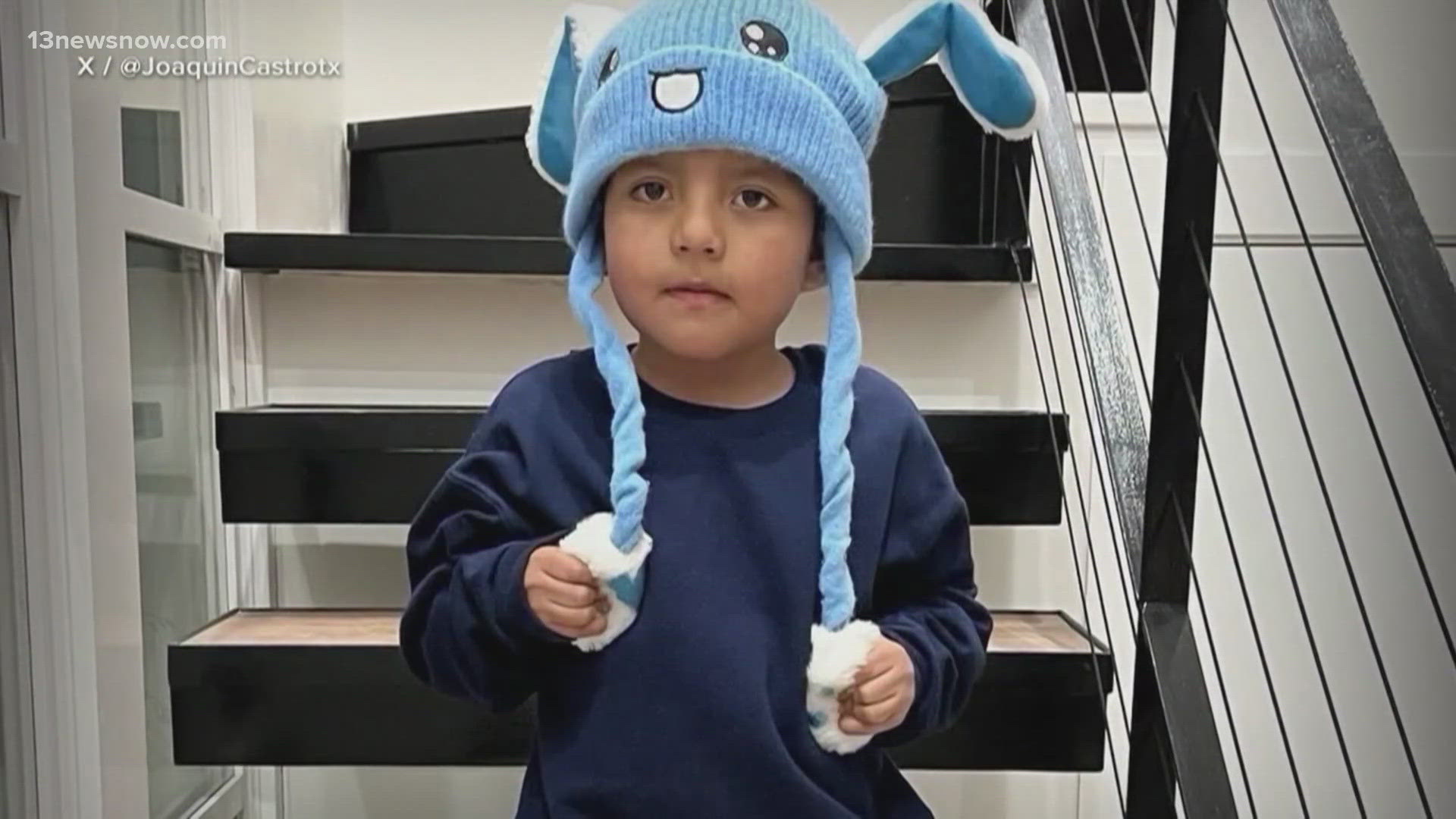
Shortly after the performance, photos of the child in the Super Bowl clip were shared across social media alongside images of a separate news story: that of a young boy named Liam Conejo Ramos, who had been detained by ICE agents in Minnesota while returning from school with his father. Viral posts asserted that the boy in Bad Bunny’s performance was Liam — a claim that rapidly spread and was picked up by hundreds of posts across platforms.
However, multiple fact‑checking outlets and news organizations thoroughly debunked this claim:
-
Reuters Fact Check confirmed the boy on stage was not the child detained by ICE, but a child actor named Lincoln Fox Ramadan. The social media posts misidentified him.
-
The Associated Press also reported that the boy in the halftime show was not Liam Conejo Ramos, noting that Lincoln is represented by an agency and posted about the performance on his own Instagram.
-
People magazine likewise confirmed that the child was an actor involved in the planned production, not the Minnesota child who had drawn headlines for immigration enforcement issues.
The claim was a classic case of misattribution coupled with emotional appeal — two ingredients that make misinformation spread so rapidly online.
Who Is the Child in the Clip?

The boy who received the Grammy on stage during the halftime show is Lincoln Fox Ramadan, a five‑year‑old actor and model. According to reports and Lincoln’s own social media posts, the moment was part of his role in the show and a personal highlight. He shared the clip with captions expressing joy and gratitude for the experience, adding context that doesn’t align with the viral speculation.
Lincoln’s appearance fits within the artistic storytelling of Bad Bunny’s performance — representing a younger self or the dreams of children everywhere — rather than calling attention to one specific, real‑world child or case.
Who Is Liam Conejo Ramos? The Real Story Behind the ICE Case

While the viral claim misidentified the child in the Super Bowl moment, the story of Liam Conejo Ramos — the boy some assumed was on stage — is real and emotionally charged in its own right.
Liam, a five‑year‑old from Minnesota, and his father were detained by ICE in January after being taken into custody while walking home from preschool. Images of the boy wearing a blue bunny hat and backpack while surrounded by immigration agents circulated widely and sparked public outcry. The family was later released following a federal judge’s order after nearly two weeks in a Texas detention facility, although the legal status and immigration proceedings remain ongoing.
It was this separate news story that likely set the emotional backdrop for the viral speculation: many viewers, already aware of Liam’s situation and aware of Bad Bunny’s vocal stances on immigration policy, connected the dots in their minds — though erroneously.
Why the False Claim Took Off
Several factors contributed to the rapid spread of this inaccurate claim:
-
Emotional resonance: The idea of a superstar giving his award to a detained child plays into powerful narratives about compassion, protest, and injustice.
-
Ambiguous visuals: The quick, crowded context of a halftime show made it easy for viewers unfamiliar with the performance to assume the child was real rather than an actor.
-
Existing public awareness: The simultaneous news about Liam’s detention was circulating widely when the Super Bowl aired, creating a fertile environment for confusion.
-
Bad Bunny’s public voice: The artist has been outspoken about U.S. immigration policy, including criticism of ICE, which may have led some to presume political intent in his performance even where none was explicitly present.
Conclusion: Facts Over Feelings
While the viral claim carried a heart‑wrenching premise, reputable reporting from Reuters, AP, People, and others confirms it was false — the child Bad Bunny interacted with on stage was a young actor, not the boy detained by immigration authorities.
This episode is a stark reminder of how easily misinformation can spread when it intersects with emotion and current events. In the era of viral content, taking a moment to verify claims through trusted sources makes all the difference between simply sharing a story and genuinely understanding the truth behind it.
