

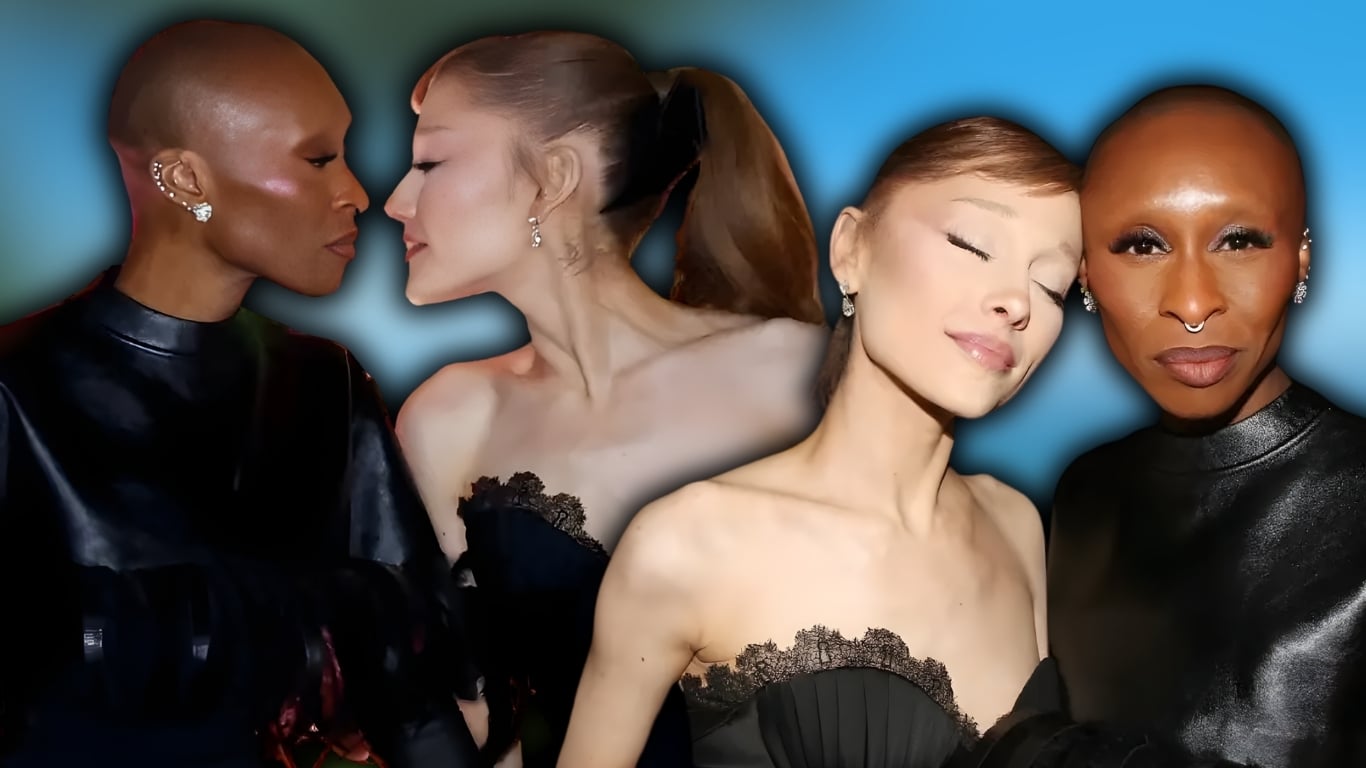
In the age of social media and viral culture, even the slightest moment captured on camera can become an internet phenomenon overnight. One such buzzword that recently circled the web — “non‑demi‑curious semi‑binary relationship” — became attached to two of Hollywood’s most beloved stars, Cynthia Erivo and Ariana Grande, but like many sensational phrases online, it’s as curious as it is misleading.
This phrase exploded on fan pages and social platforms in late 2025 after snippets of interactions between the co‑stars were circulating amid the global press tour for their film Wicked: For Good. However, a deeper look reveals that the whole story isn’t quite what gossip reels made it out to be.
A Viral Rumour Takes Shape
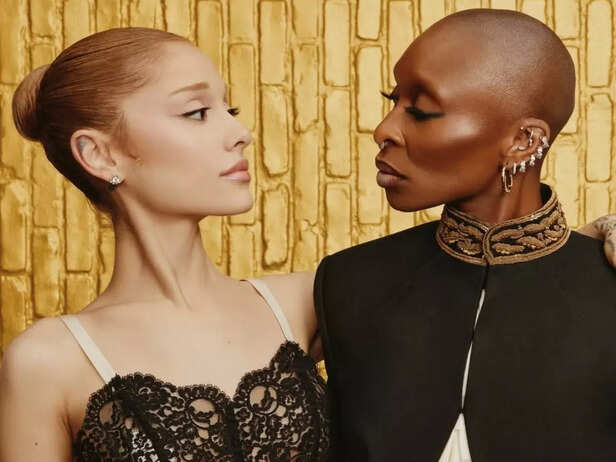
The internet first seized on the term when a satirical Facebook page published a post joking that Erivo and Grande had “revealed” they were in a non‑demi‑curious, semi‑binary relationship — complete with a fabricated quote supposedly from Cynthia explaining the term. Such posts often blend playful tone with celebrity intrigue, blurring the line between satire and “real news” for unsuspecting readers.
According to the satirical narrative, the phrase meant they weren’t in a traditional romantic relationship but were playfully exploring what such a connection could mean. The invented quote read along the lines of: “It means we’re not actually a couple, but we’re curious about what that could mean — and everything,” purportedly said by Erivo in jest.
What needs to be stressed, though, is that neither Cynthia Erivo nor Ariana Grande has publicly used this phrase to describe their relationship — and they most definitely did not announce any such unconventional connection in reality.
Where the Term Really Came From
The origin of “non‑demi‑curious semi‑binary” appears to be rooted in fan culture and internet creativity rather than any real personal disclosure by the actresses themselves. As journalists exploring the buzz have pointed out, the phrase is not recognized by LGBTQ+ advocacy groups, academic gender studies, or community organizations — it’s essentially a mash‑up of various gender and orientation terms thrown together humorously to sound cryptic and profound.
Breaking it down:
-
“Non‑demi‑curious” plays on terms like demisexual (a person who feels sexual attraction only after strong emotional connection) and curious (suggesting exploration).
-
“Semi‑binary” evokes gender terminology often used to discuss identities partially within and outside the traditional gender binary (male/female).
But the way it was used online was closer to parody than an actual descriptor of any authentic relationship category.
In short, the phrase is a creative invention — more social media art project than a self‑identified relationship type.
Separating Fact From Fiction

So what is actually true?
• Erivo and Grande are close friends and collaborators: Their bond formed through working closely on Wicked: For Good has been visible in promotional appearances where they shared warm, affectionate moments with each other.
• Neither has confirmed a romantic relationship with the other: In fact, both actresses are known to be in other relationships — Grande has been associated with her Wicked co‑star and other partners publicly, and Erivo is openly queer and in a relationship with someone else.
• Grande explained the physical closeness as personality and comfort: On The Good Hang podcast, she credited her warm, tactile nature and the emotional support she projects through touch as reasons for holding hands or leaning into affectionate gestures — not romantic intent.
Various reputable outlets like The Economic Times and NDTV have debunked the idea that the two stars ever confirmed such a relationship label, noting it stems from a satire page that frequently posts tongue‑in‑cheek stories dressed up to look authentic.
Why the Internet Went Wild

In a world where celebrity culture and identity discussions coexist in a constantly evolving space, the public’s eagerness to find meaning — especially meaning that breaks norms — can fuel hypothesizing faster than the truth can keep up. The resulting explosion of discussions around “non‑demi‑curious semi‑binary relationships” reflects:
-
The power of fan communities to invent and spread narratives they find intriguing.
-
The fascination with gender and orientation terminology, often without full understanding of how those terms are used in real LGBTQ+ discourse.
-
Our collective appetite for celebrity relationship news, even when it’s lighthearted or fabricated.
Ultimately, this episode is less about Erivo and Grande’s personal lives and more about how quickly fictional labels can take on a life of their own online — especially when tied to beloved public figures.
Final Thoughts
While the “non‑demi‑curious semi‑binary relationship” phrase will likely continue to spark curiosity, it’s important for readers and fans alike to approach such content with a critical eye. The real story here is not a misunderstood romance, but a fascinating case study in internet culture: how satire, creativity, and celebrity fandom can intersect to create a viral phenomenon that’s entirely made up.
At its heart, the bond between Cynthia Erivo and Ariana Grande appears to be a genuine friendship built on mutual respect and shared experience — and that alone is meaningful enough without adding invented buzzwords.
