

A Viral Moment of Love

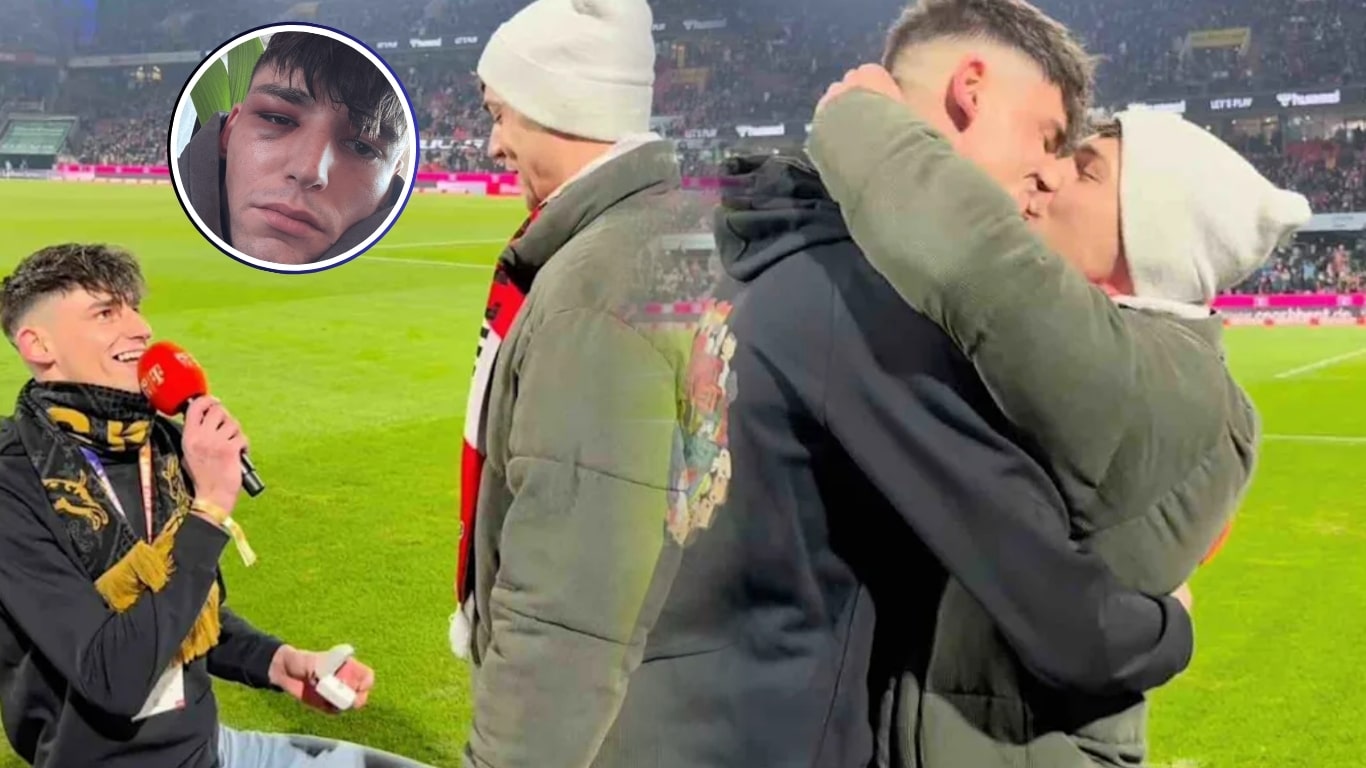
On January 30, 2026, at Cologne’s RheinEnergieStadion before a Bundesliga fixture between FC Köln and VfL Wolfsburg, Pascal Kaiser used his platform to share a personal milestone. In front of nearly 50,000 spectators, the amateur referee went down on one knee and proposed to his long‑term partner, Moritz — prompting cheers, applause, and a kiss that quickly lit up social media as a joyous symbol of LGBTQ+ visibility in football.
Kaiser had become a rare visible queer figure in football officiating — openly bisexual since 2021 — and his public proposal was intended not only as a romantic gesture but also as a statement of pride and inclusion in a sport that has historically struggled with LGBTQ+ representation. Support came from fans, commentators, and even the official FC Köln social media channels.
Backlash That Followed
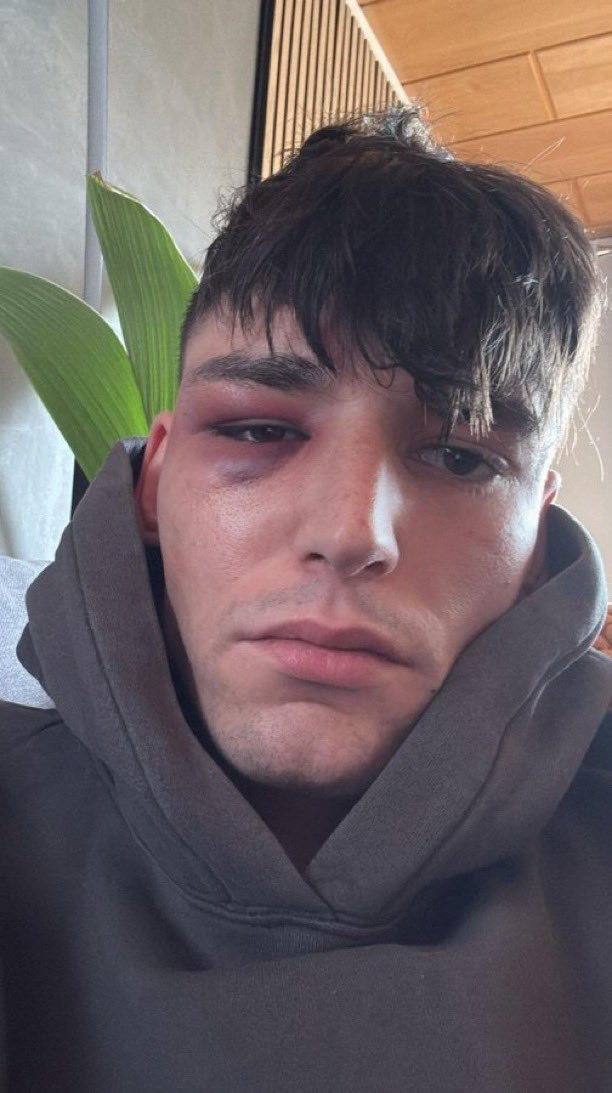
But what followed was anything but celebratory. Within days of the viral video spreading online, Kaiser began receiving hostile messages on social media. Disturbingly, those threats didn’t just remain online: posts containing his home address circulated, making him a target for harassment. Despite notifying local authorities about these threats — and being told there was “no immediate danger” — Kaiser’s fears were soon realized.
On the night of February 7, Kaiser was assaulted by a group of three men outside his home in Cologne. He was reportedly attacked while outside, suffering injuries including trauma to his eye, and required medical attention.
A Second Attack and Renewed Concerns
Shockingly, that was not the end of the violence. Two days after the first attack, Pascal Kaiser was reportedly assaulted again at his home by another group of individuals. This second assault — described in multiple reports as occurring in broad daylight — left Kaiser with injuries to his face and torso.
Local police took up the investigation, with state security services examining whether homophobic motives played a role. Authorities have been careful to treat the case with due diligence, stating that all possible motives are being explored as part of their work to identify those responsible.
Public Reaction: Support and Outrage
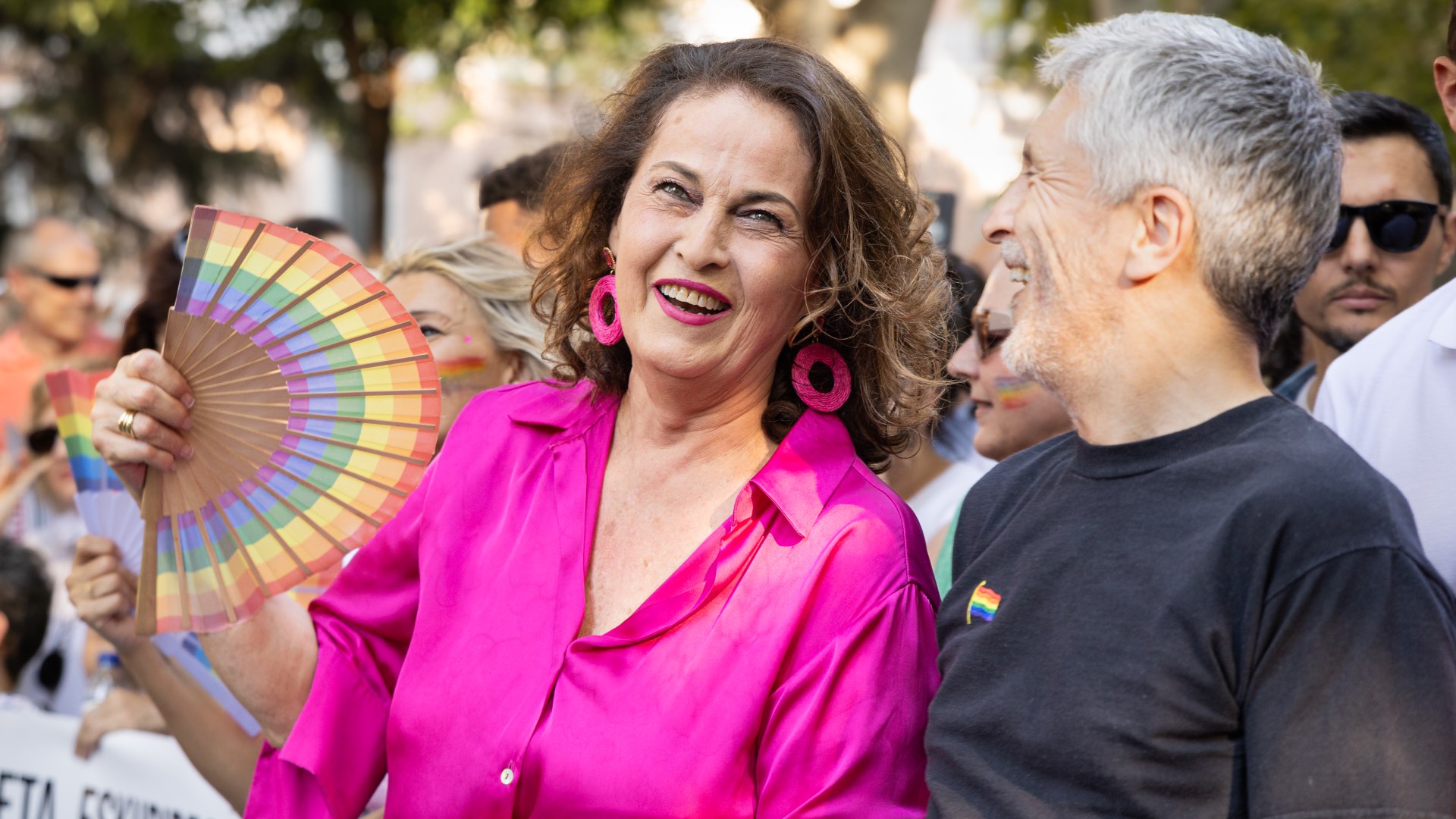
The intense public spotlight on the case has revealed starkly contrasting attitudes within the football community and wider society. On the one hand, LGBTQ+ advocacy groups, politicians, and fans have rallied around Kaiser. Activists like Carla Antonelli, a Spanish LGBTQ+ senator and campaigner, shared images of Kaiser’s injuries on social media and condemned the attack as a chilling message sent to queer people: “If you make yourself visible, we’ll put you back in the closet.”
Many commentators have framed the violent response not as isolated criminality but as an example of the ongoing challenges LGBTQ+ people face when asserting their identities in public spaces, including sport. The backlash highlights that, even in countries with broad legal protections for same‑sex couples, cultural acceptance among all segments of society has not yet been fully realized.
Football, Visibility, and Homophobia in Sport
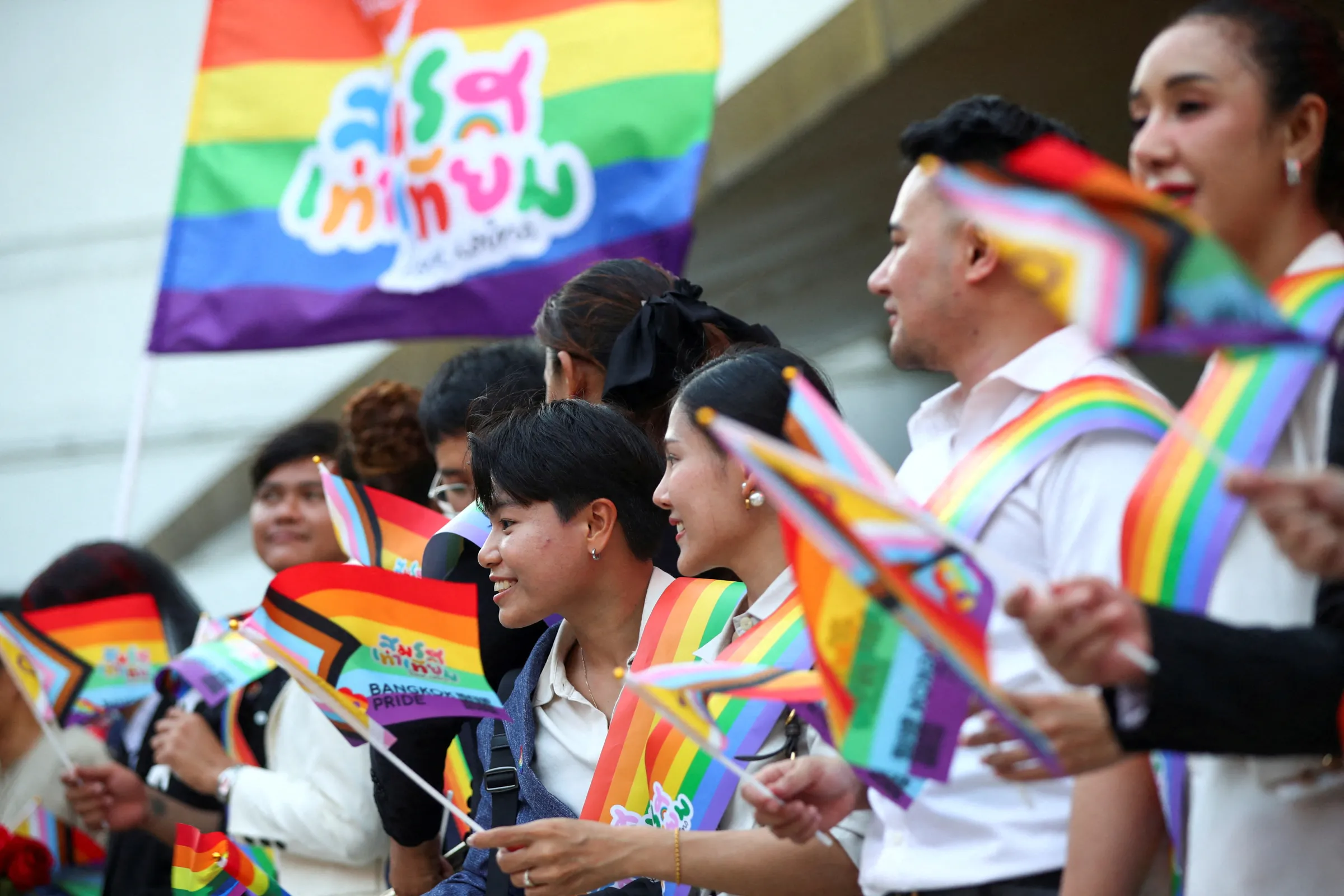
Football has made visible strides toward diversity and inclusion in recent years, with clubs and leagues increasingly embracing campaigns promoting tolerance and acceptance. Germany, in particular, has a growing LGBTQ+ presence within fan groups and community organizations.
Yet incidents like this remind us that progress can be uneven. While many celebrate a loving public proposal that was embraced by a large crowd, others responded with hostility and violence. This dichotomy is reflective of broader tensions still playing out across sports and society — where openness is celebrated by many, but where deep‑rooted prejudices continue to harm individuals who dare to live authentically.
The Road Ahead and Lessons Learned

As the investigation into the attacks on Pascal Kaiser continues, there are broader implications to consider. Should individuals who choose visibility in sport face the risk of targeted harassment? What obligations do sports organizations and law enforcement have to protect those who are publicly vulnerable? And how can powerful moments of inclusion — like Kaiser’s proposal — be safeguarded from turning into sites of risk rather than triumph?
For many advocates, the answer lies in reinforcing support systems for LGBTQ+ athletes, officials, and fans, and ensuring that threats are taken seriously before violence occurs. For Kaiser and his supporters, the hope is that his story will not only draw attention to the real dangers of homophobic backlash but also help galvanize stronger protections and cultural shifts within sport and beyond.
One thing remains clear: the stunning proposal that once brought a stadium to its feet became a rallying point far beyond the pitch — revealing both the power of love and the urgent need for safety and acceptance in the world of sport and in society at large.
