

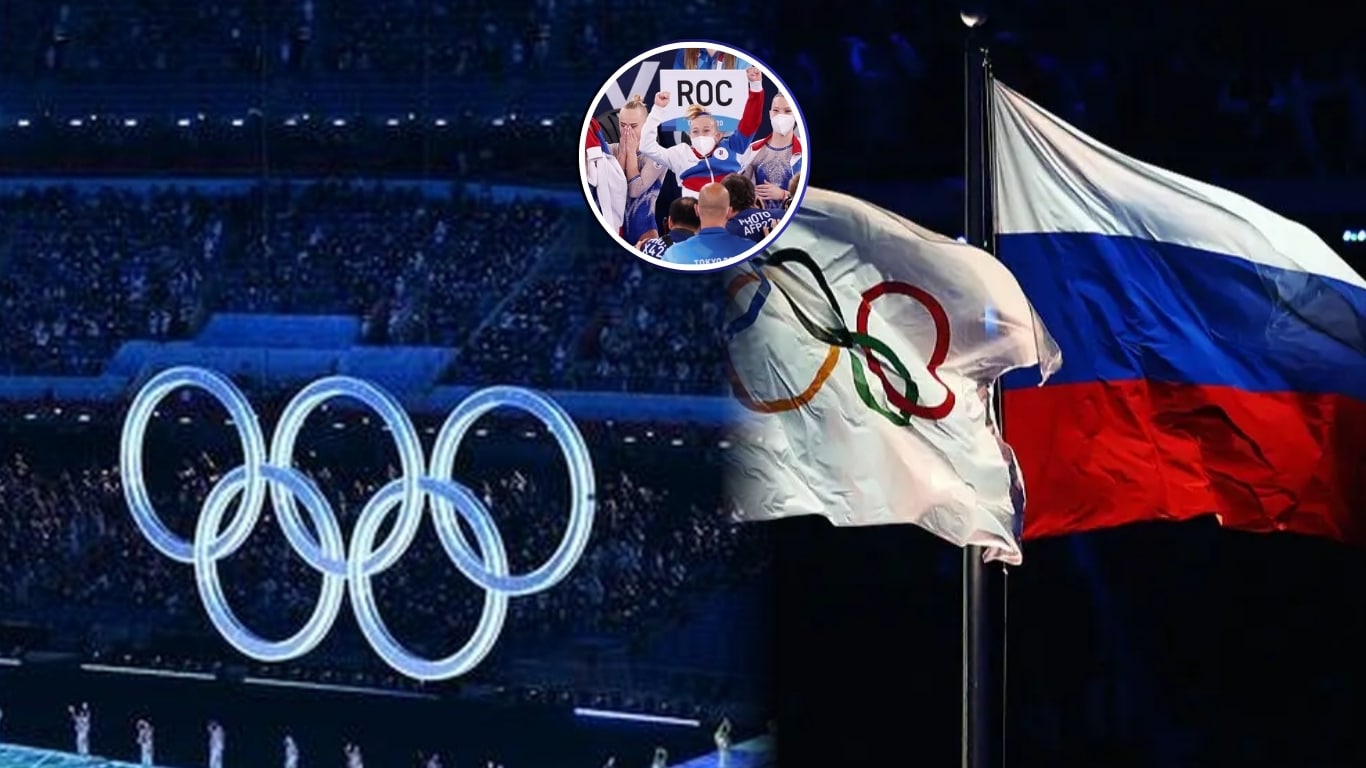
The Origin of the Ban
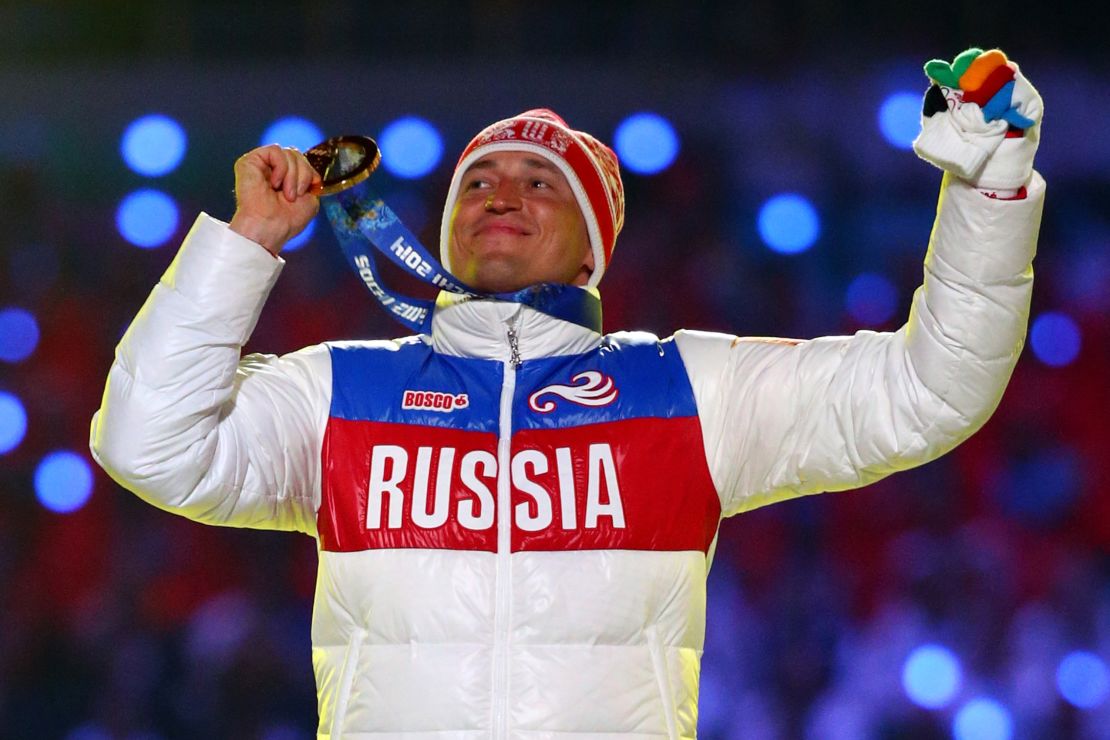
The decision to ban Russian athletes stems from the full-scale invasion of Ukraine by Russia in February 2022. The IOC declared that the country had breached the Olympic Truce, a vital agreement that calls for peace during the Games. As a result, the Russian Olympic Committee was suspended, and Belarus, which supported Russia politically and militarily, was also barred. This suspension resulted in Russian athletes being unable to compete under their national flag or emblem. (source)
However, in a move that has caused much debate, the IOC established a pathway for individual athletes from these countries to still compete — under the AIN designation. This was first implemented during the 2024 Paris Games and will continue at Milan-Cortina 2026. (source)
Rule #1: Competing as Neutral Athletes

The cornerstone rule for Russian athletes is that they must compete solely as Individual Neutral Athletes (AIN), with no representation of the Russian flag or anthem. Instead, these athletes will compete under a neutral flag, and a specially composed instrumental anthem will be played in place of Russia’s national anthem. (source)
In practical terms, this means:
-
Athletes will be prohibited from competing under any Russian symbols.
-
They will not participate in the Parade of Nations at the Opening Ceremony.
-
Any medals won will be recorded under the AIN banner, rather than Russia itself. (source)
This neutral status aims to dissociate athletes from their nation’s controversial actions while still allowing them to showcase their athletic prowess.
Rule #2: Strict Eligibility Criteria
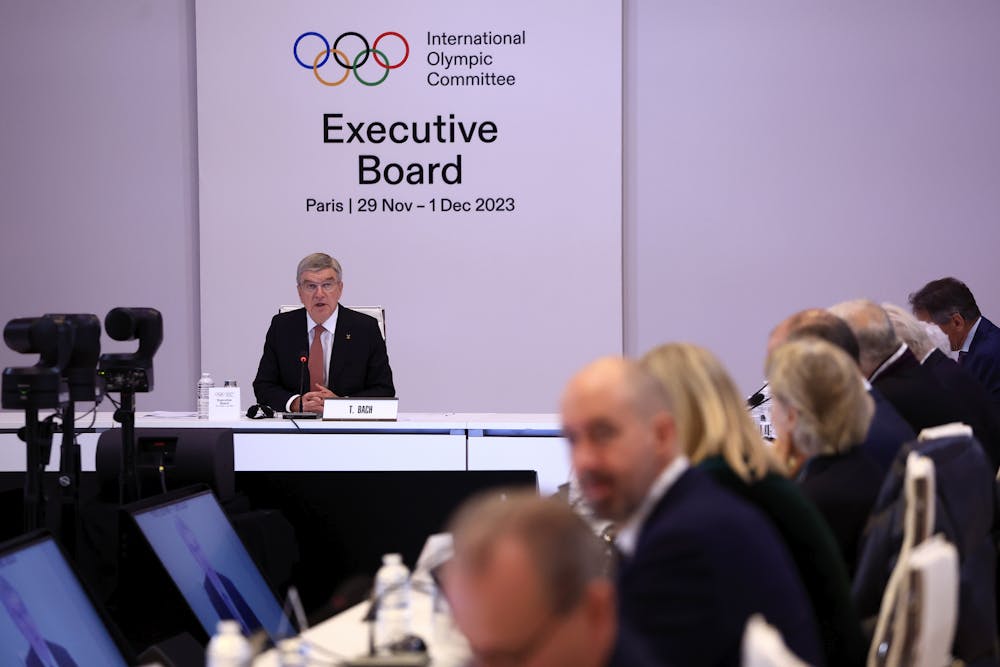
The path to Olympic participation is not an easy one for Russian athletes. In addition to meeting the normal Olympic qualification standards, these athletes must undergo rigorous vetting to ensure they are not directly connected to the Russian government or military.
-
Qualifying Standards
Athletes must first meet the usual Olympic performance benchmarks that apply to competitors worldwide. (source) -
Background Investigations
A thorough background check is required. Any public statement or affiliation that demonstrates support for Russia’s invasion of Ukraine will automatically disqualify the athlete from participation. (source) -
Military and State Ties
The athlete’s personal history must show no affiliations with Russia’s military or intelligence agencies. Only those with clear, untainted personal and professional backgrounds are allowed to proceed. (source)
Once athletes pass this scrutiny, they will be permitted to represent their personal achievement, not their country’s interests.
Rule #3: Exclusion from Team Events

Due to the nature of the ban, Russian athletes are only eligible for individual events. Team sports, such as ice hockey, curling, and team figure skating, are out of reach for these athletes. (source)
This rule severely limits Russia’s participation in traditional Olympic strengths and further isolates Russian athletes from their former sporting comrades. The absence from team events diminishes Russia’s overall presence in the Games.
Rule #4: Compliance with Anti-Doping Regulations
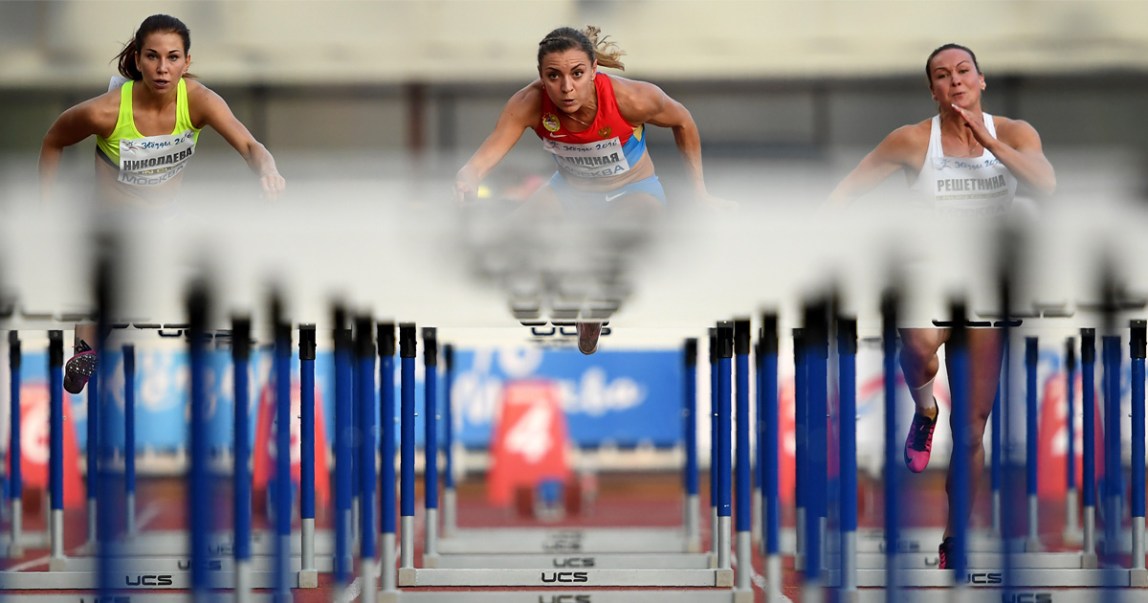
Given the historical doping scandals surrounding Russia, athletes are strictly required to follow global anti-doping protocols. This includes undergoing random drug testing and maintaining an impeccable track record of compliance with anti-doping laws. The IOC has underscored that any violations will result in immediate disqualification from the Games.
Athletes must ensure that they remain beyond reproach in the eyes of the global anti-doping community to preserve their eligibility.
Rule #5: Absolute Political Neutrality

Perhaps the most crucial rule is the requirement for political neutrality. Athletes are not permitted to express political opinions or support for the conflict during the Olympics. This includes wearing any political slogans or engaging in protests against the ban.
Any breach of this rule will result in immediate sanctions. The IOC is adamant that political activity should have no place in the Olympic Games, as demonstrated by their previous crackdown on political gestures during past events. (source)
Controversy and Debate

The participation of Russian athletes under these conditions has ignited fierce debate. Some believe that these rules preserve the Olympic ideal of fair competition, offering athletes a chance to compete regardless of their country’s political actions. However, others argue that this compromise undermines the sanctioning efforts meant to isolate Russia from the global community. Countries like Ukraine have threatened to boycott the Games if Russian athletes are allowed to participate under any guise of neutrality. (source)
Looking Ahead
As the 2026 Winter Olympics approach, the question of Russia’s place in global sports remains contentious. The IOC’s approach — balancing sanctions with inclusion — sets a significant precedent for how future Olympic events will handle the intersection of politics and sport. The ultimate impact of these policies will shape the Olympic movement for years to come, and the tension surrounding Russian participation in Milan-Cortina is far from resolved.
