

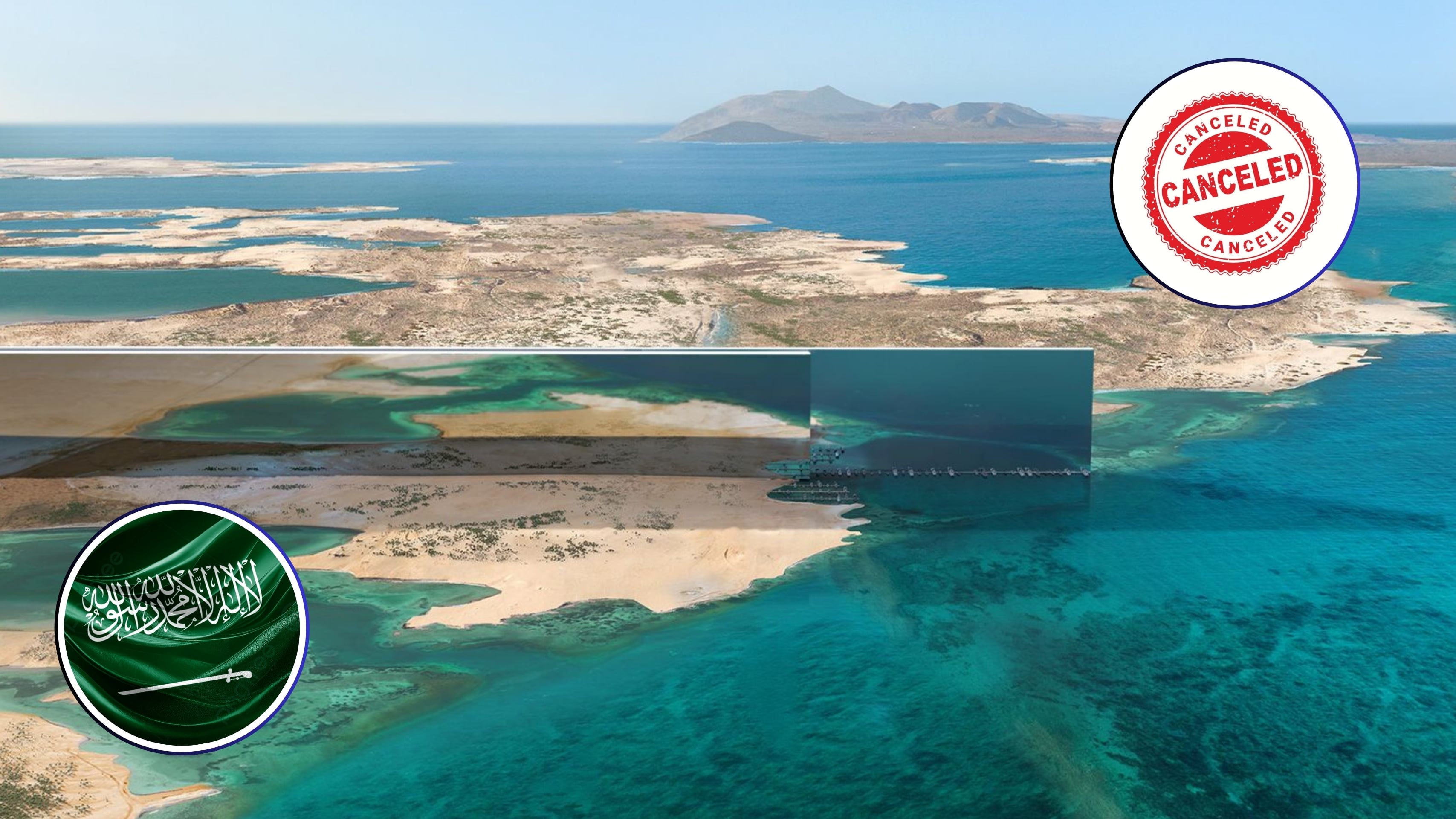
In 2021, Saudi Arabia unveiled one of the boldest urban visions in modern history: The Line. Designed as a mirrored, car‑free megacity stretching approximately 170 kilometers (about 106 miles) through the desert, this project promised to redefine how humans live, work, and interact with the natural environment. Planned to host up to 9 million residents and run entirely on renewable energy, The Line was a central piece of the kingdom’s ambitious Vision 2030 economic diversification plan.
But as of 2026, reports from multiple international media outlets and available data indicate that the original vision for The Line has been cancelled or drastically scaled back. In its place, Saudi Arabia is now refocusing its resources on more economically viable strategic priorities — and the megacity that once captured the world’s imagination has effectively been shelved.
A Dream Born from Vision 2030

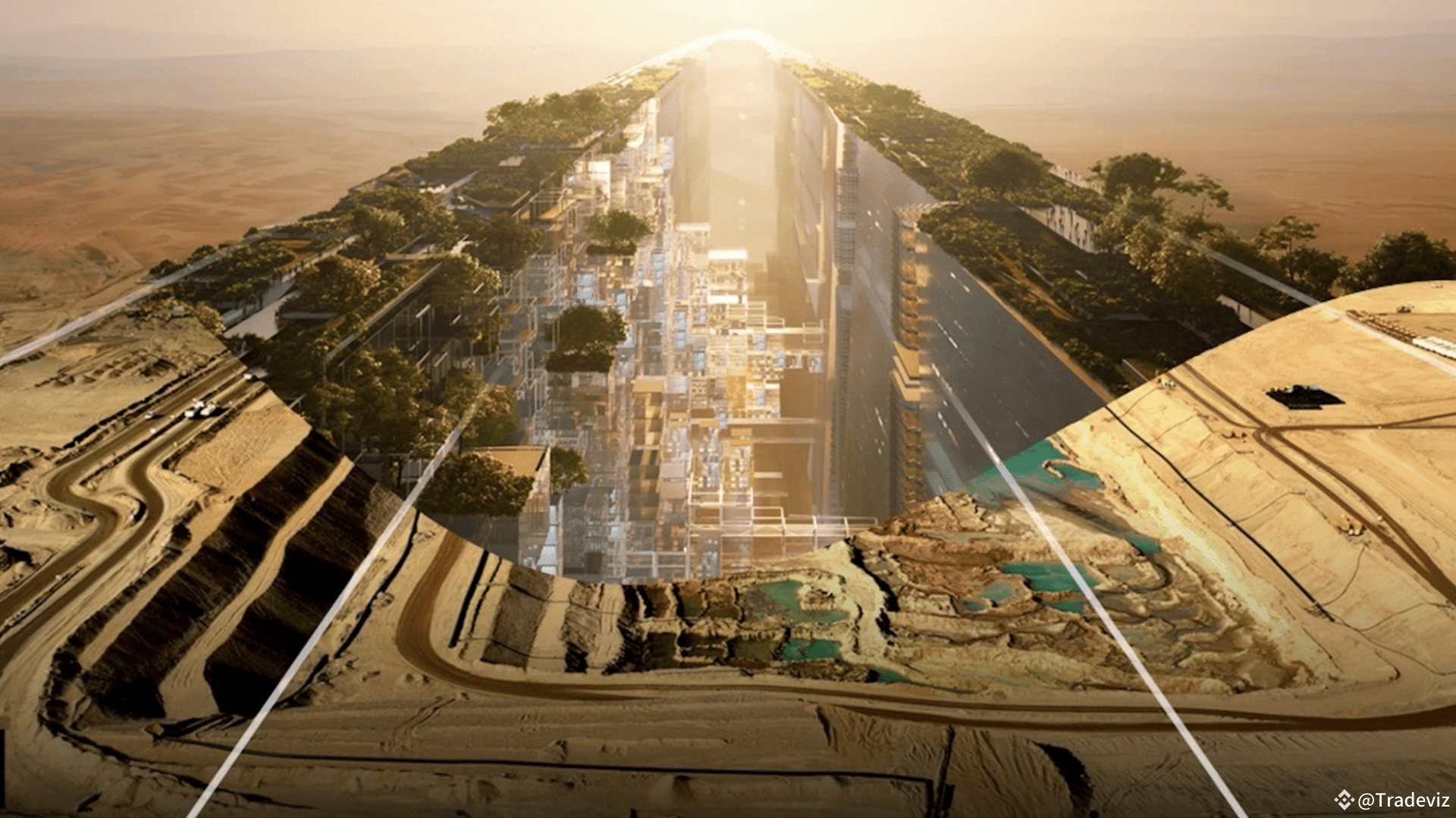
The Line was conceived by Saudi Arabia’s Crown Prince Mohammed bin Salman as a flagship project for Neom — a planned futuristic region on the Red Sea coast, envisioned as a global hub for innovation, tourism, and economic growth. Unveiled during a high‑profile event, The Line was presented as a revolution in urbanism: a vertical, linear city with no cars, no streets, and full access to every essential service within a five‑minute walk.
Its glorious promotional imagery — mirrored walls reflecting pristine desert sun, skyways weaving through parks suspended between buildings, and artificial intelligence systems optimizing every aspect of life — painted a picture that seemed ripped straight from a science‑fiction novel. But few anticipated that the gulf between concept and reality would be so vast.
Growing Financial and Logistical Doubts

Behind the sleek public messaging, challenges began mounting almost from the outset. The projected costs skyrocketed far beyond initial estimates. Internal financial reviews reportedly indicated that the full build‑out of The Line could cost up to $8.8 trillion by 2080 — many times Saudi Arabia’s annual budget.
At the same time, global oil prices softened, reducing the Saudi government’s fiscal flexibility. Other high‑priority national initiatives — including preparations for Expo 2030 and the 2034 FIFA World Cup — began absorbing attention and funds. Major contractors voiced concerns about logistical feasibility, and construction progress lagged behind projections.
These factors combined to create a stark reality: the original vision was no longer sustainable, at least not in its planned scale. Reports from early 2026 confirmed that The Line’s construction, once treated as a non‑negotiable centerpiece of Vision 2030, had been indefinitely postponed or scaled back significantly.
Official Statements vs. Public Speculation
Saudi officials have not publicly confirmed the complete cancellation in formal announcements. However, multiple inside sources and investigative reports suggest that the original 170‑kilometre plan has effectively been abandoned, with no active construction visible on the majority of its route and no definitive timeline for resumption.
Some portions of the broader Neom project, such as the luxury island Sindalah and the mountain resort Trojena, continue to exist in various stages of development — though even these have faced delays and budget overruns.
From Futuristic Metropolis to Digital Pivot
In place of the megacity, Saudi planners are reportedly pivoting The Line’s conceptual foundation toward economic sectors deemed more immediately profitable — particularly digital infrastructure and artificial intelligence. Experts suggest that developed sections of Neom may be repurposed to host data centres and tech hubs, serving as a logistical backbone for Saudi Arabia’s ambitions in global technology markets.
This strategic shift reflects a broader recalibration: instead of pursuing an unprecedented urban utopia built from scratch, Riyadh appears determined to invest where returns are more certain and global competition is fiercest. Artificial intelligence, cloud infrastructure, and digital services have replaced gleaming skyscrapers as the new frontier.
Environmental, Social, and Political Controversies

The Line was never without its critics. Environmental advocates warned that the construction would disrupt delicate desert ecosystems and consume vast amounts of energy and water. Human rights organizations raised concerns about forced relocations of local tribes and the treatment of migrant workers involved in the broader Neom project.
These criticisms only grew louder as cost overruns and delays mounted, leading some to argue that The Line’s collapse was not just an economic inevitability but also a cautionary tale about the limits of visionary megaprojects in authoritarian settings.
What Happens Next?

The cancellation or dramatic downsizing of The Line marks a significant shift in Saudi Arabia’s development strategy. While Vision 2030 remains central to the kingdom’s long‑term goals, the route to economic diversification is clearly changing. Instead of building cities that redefine urban life, Riyadh may focus on sectors that more directly generate revenue and global competitiveness.
For now, The Line remains a concept on paper — a futuristic dream that captivated global attention and stretched the imagination of urban planners worldwide. Its unraveling offers lessons about ambition, realism, and the complex interplay between vision and viability in the 21st century.
