



In the age of social media, instant messaging, and video calls, it’s easy to assume that online friendships are thriving. After all, we’ve never had more ways to stay connected with others across the globe. But despite all these digital tools, many of us are finding that the depth and quality of our online relationships are slipping through the cracks. In fact, the art of cultivating meaningful online friendships seems to be fading away, replaced by fleeting interactions and superficial connections.
The Rise and Fall of Online Friendships

In the early days of the internet, online communities were vibrant spaces for people to meet like-minded individuals. Forums, chat rooms, and early social media platforms like MySpace and Friendster allowed people to form lasting bonds based on shared interests, no matter their geographic location. These friendships, often built over long conversations and shared experiences, created a sense of community and belonging that many people had never experienced before.
However, as the internet evolved, so did our approach to online connections. The introduction of platforms like Facebook, Instagram, and Twitter shifted the focus from deep, meaningful connections to quick, surface-level interactions. People began accumulating “friends” and followers, but these connections often lacked substance. Likes, shares, and retweets became the new markers of social interaction, leaving little room for the kind of personal, heartfelt exchanges that once defined online friendships.
The Impact of Social Media on Relationships

Social media platforms have transformed the way we connect with others, but they’ve also introduced several challenges. The pressure to present a curated version of our lives has led many individuals to prioritize appearances over authenticity. Instead of engaging in conversations that build trust and understanding, we often find ourselves posting snippets of our lives in search of validation.
As a result, many friendships formed online are now transactional rather than genuine. We interact with others not to form deep bonds, but rather to collect likes, comments, and followers. This shift in priorities has made it difficult for online friendships to maintain the depth and authenticity that once made them so valuable.
Moreover, the constant bombardment of notifications and updates can overwhelm us, causing us to treat online interactions as mere obligations rather than opportunities to connect with others on a meaningful level. Instead of investing time and energy in nurturing online relationships, we often find ourselves scrolling mindlessly through our feeds, briefly engaging with posts, and moving on.
The Erosion of Communication Skills
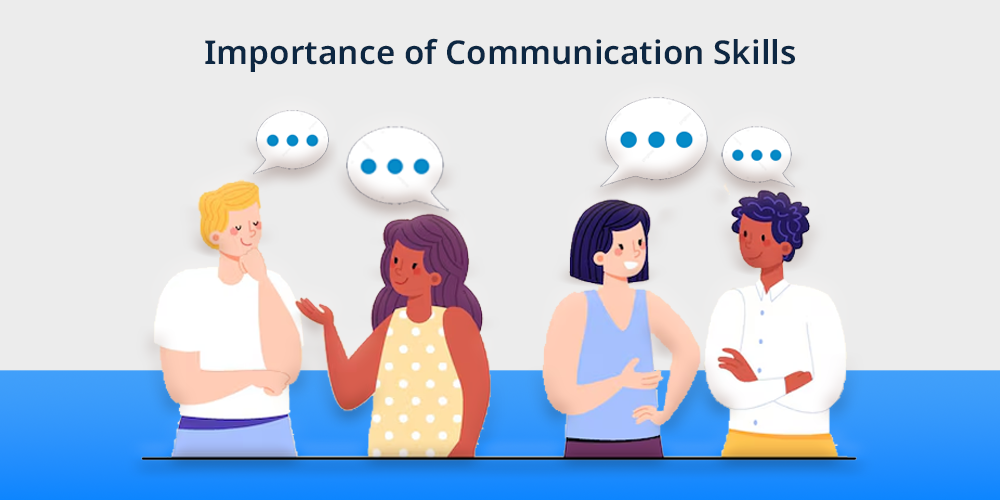
One of the key elements of any strong friendship, whether online or offline, is communication. However, modern communication tools have made it easier than ever to hide behind screens, leading to a breakdown in the quality of our conversations. With the rise of texting, emojis, and GIFs, we’ve become accustomed to quick, superficial exchanges that lack the nuance and depth of face-to-face conversations.
This erosion of communication skills has had a profound impact on online friendships. Meaningful conversations, which once flourished in private messages or group chats, have been replaced with short, disjointed interactions. We may have hundreds of “friends” online, but how many of them do we actually connect with on a deeper level?
Additionally, the anonymity of the internet has led to the rise of cyberbullying and online harassment. People often feel emboldened to say things they wouldn’t dare say in person, damaging the emotional fabric of online relationships. This toxic environment further discourages people from forging real, lasting friendships online.
The Quest for Meaningful Connections

Despite the challenges posed by social media and digital platforms, it’s not too late to reclaim the art of online friendships. By shifting our focus back to authenticity and communication, we can begin to rebuild the deeper connections that are so often lost in today’s digital age.
One key to fostering meaningful online friendships is to prioritize quality over quantity. Instead of trying to accumulate as many followers as possible, we should focus on cultivating a smaller group of people with whom we share genuine interests and values. This approach encourages more thoughtful and intentional conversations, allowing friendships to develop naturally.
Another way to rebuild deeper connections is by using digital platforms as a tool for real-time interaction. Video calls, voice messages, and even live chats can bring a sense of presence and intimacy to online friendships that text-based conversations often lack. The face-to-face element of video calls, for example, can help strengthen emotional bonds and create a sense of trust and understanding that is essential in any relationship.
It’s also important to recognize that online friendships require effort and time. Just as in offline relationships, online friendships demand attention and care. We should make a conscious effort to reach out, check in, and actively engage in conversations with our online friends. This means moving beyond likes and emojis and taking the time to send thoughtful messages or share meaningful experiences.
Reclaiming the Lost Art of Online Friendships

The lost art of online friendships isn’t gone forever—it’s simply in need of revival. By returning to the core values that made online friendships so special in the first place—authenticity, communication, and mutual respect—we can begin to rebuild the online communities that once offered us connection and belonging.
In a world where our interactions are increasingly mediated by technology, it’s crucial to remember that the most meaningful relationships are built on trust, empathy, and understanding. It’s time to reclaim the lost art of online friendships and make them matter once again.
