

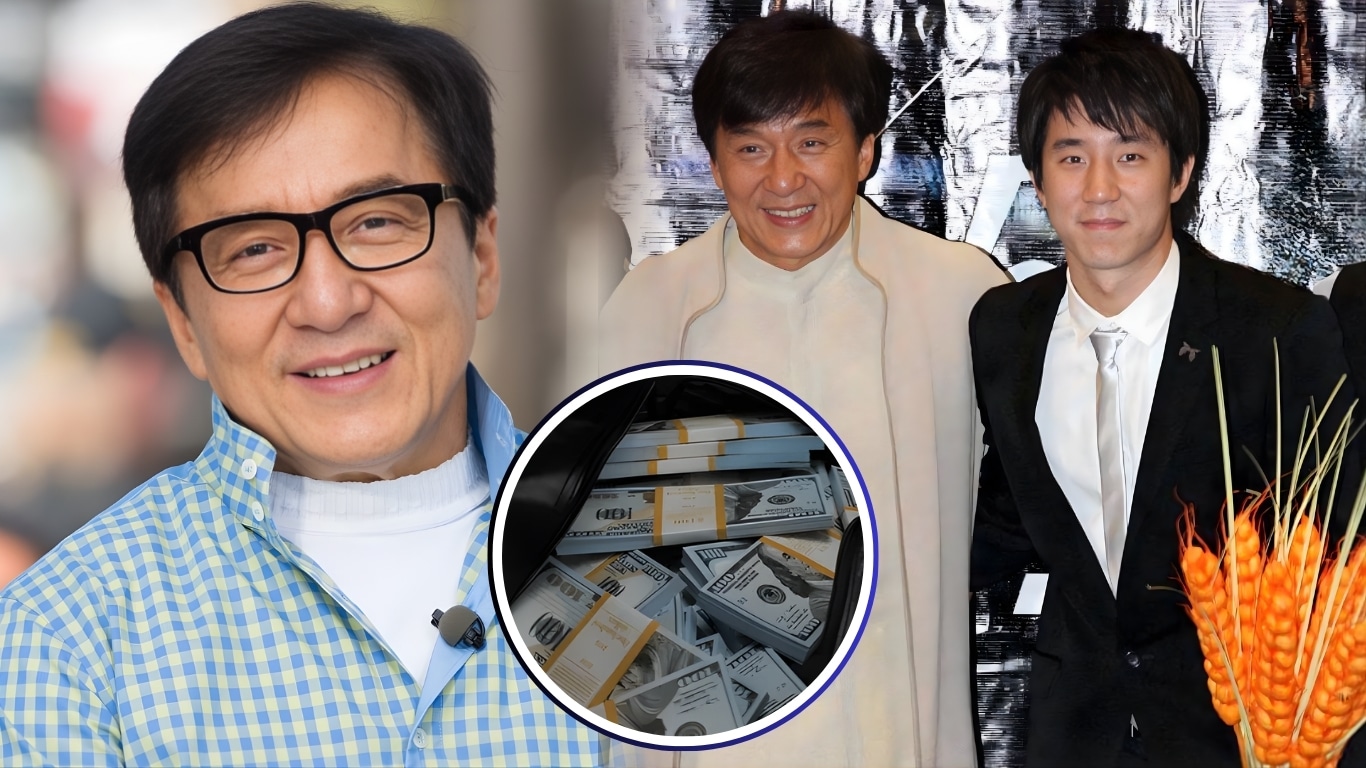
At a time when many wealthy celebrities plan massive inheritances for their children, one of the world’s most beloved action stars has taken a strikingly different stance. Jackie Chan, known for his high‑octane martial arts films and decades‑long global career, has reportedly decided that his estimated $400 million fortune will not be left to his son — instead, he plans to donate it to charitable causes.
Chan’s plan has sparked wide discussion, not just for the sheer size of the wealth involved, but for what the decision reflects about his values, his relationship with his son, and his view on the next generation’s role in earning success.
A Career Built on Hard Work, Not Handouts

Jackie Chan’s rise to international stardom wasn’t overnight luck — it was decades of relentless training, discipline, and risk‑taking. From his early days in Hong Kong cinema to becoming one of the world’s most recognizable action stars, Chan has repeatedly shown that he values perseverance and earned achievement.
So it’s perhaps fitting that, according to multiple recent reports from social posts and entertainment outlets, he intends to pass on none of that fortune directly to his son. Instead, the entire estate is to be donated to charity — a choice that mirrors his long history as a philanthropist and supporter of social causes.
“If He’s Capable, He Can Make His Own Money”
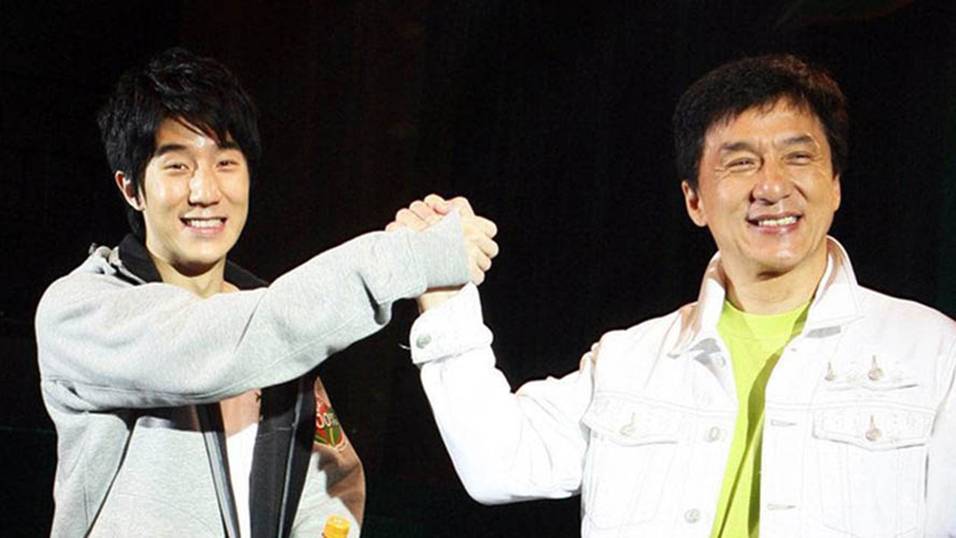
What has drawn particular attention is Chan’s quoted reasoning: he believes that his son should “earn his own money.” The actor has reportedly said that if his son is capable of success, *then he can generate his own wealth; if not, he’d be wasting inherited money.
This sentiment isn’t entirely new. Earlier reports trace similar statements back to public appearances and interviews Chan has given over the years. He has stressed the importance of personal achievement, hard work, and standing on one’s own feet — values that shaped his own life and career.
A Philanthropic Legacy
Chan isn’t just known for blockbuster movies — he’s also widely recognized as a generous philanthropist. Earlier in his career, he was named one of the top charitable celebrities by Forbes, thanks to his extensive support for education, disaster relief, and youth programs.
His decision to direct his fortune toward charitable causes instead of private inheritance reinforces this identity. By opting to dedicate his wealth to broader societal impact, Chan is signaling that his legacy — to him — should be measured not just in box‑office hits but in the lasting good his resources can enable.
Family, Responsibility and Personal Philosophy
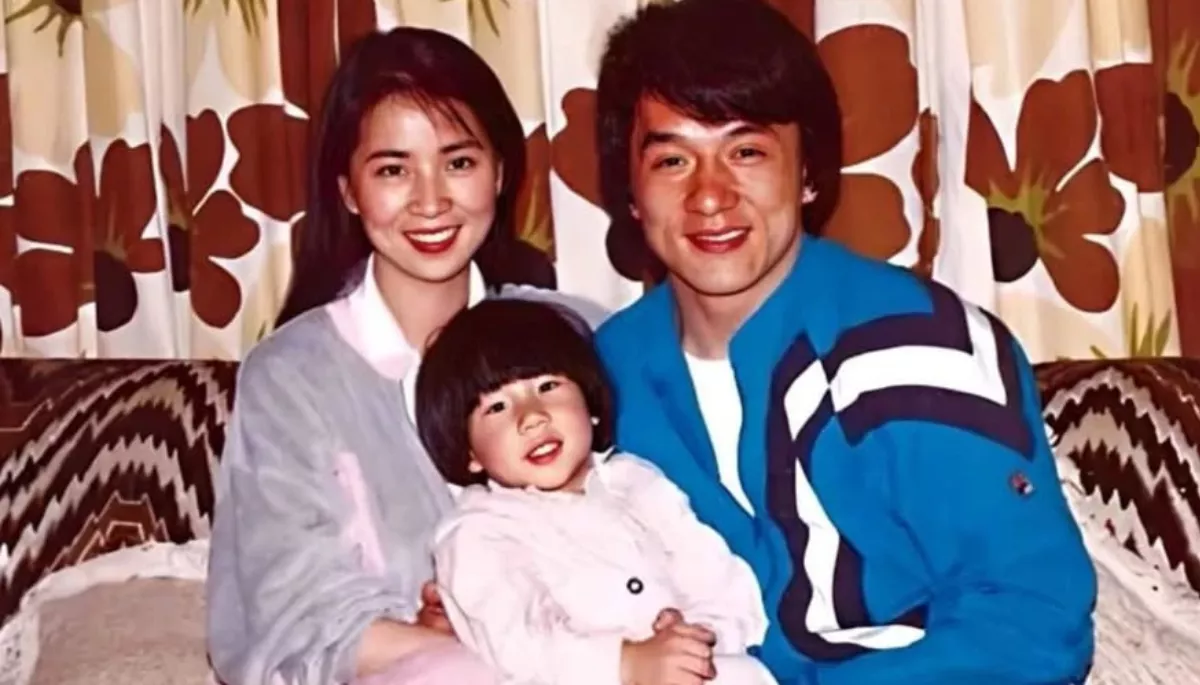
While Chan’s comments have generated both praise and criticism online, they reflect a broader philosophy shared by some wealthy individuals who believe that passing on vast wealth doesn’t necessarily benefit the next generation. Instead, they argue, it can stifle ambition or weaken personal drive.
This approach contrasts with traditional expectations in many cultures where family wealth, status, and legacy are passed down from one generation to the next. In Chan’s case, his comments suggest a desire for his children — particularly his son — to pursue their own paths without relying on inherited privilege.
Different Reactions, Same Conversation
The decision has triggered a mix of reactions:
-
Supporters argue that Chan’s stance promotes independence, resilience, and self‑worth — values that many believe are essential for personal fulfillment.
-
Critics feel that such a decision could be seen as harsh or overly strict, especially considering the challenges future generations face in a rapidly changing world.
Regardless of one’s personal take, the choice invites a deeper conversation about how wealth, opportunity, and legacy should be balanced in families — especially those with immense resources.
Final Thoughts: A Legacy Defined by Impact, Not Inheritance

Ultimately, Jackie Chan’s reported plan to leave his $400 million fortune to charity rather than to his son speaks to a set of personal values rooted in self‑effort, purposeful giving, and long‑term social impact.
Whether one agrees with his approach or not, the decision underscores a shift in perspective among some of the world’s wealthiest people — one that places legacy through contribution and empowerment above traditional inheritance.
For Chan, it seems that the greatest reward isn’t what his wealth can buy for his family — but rather what it can do for the world.
