

What Exactly Is a Group 1 Carcinogen?
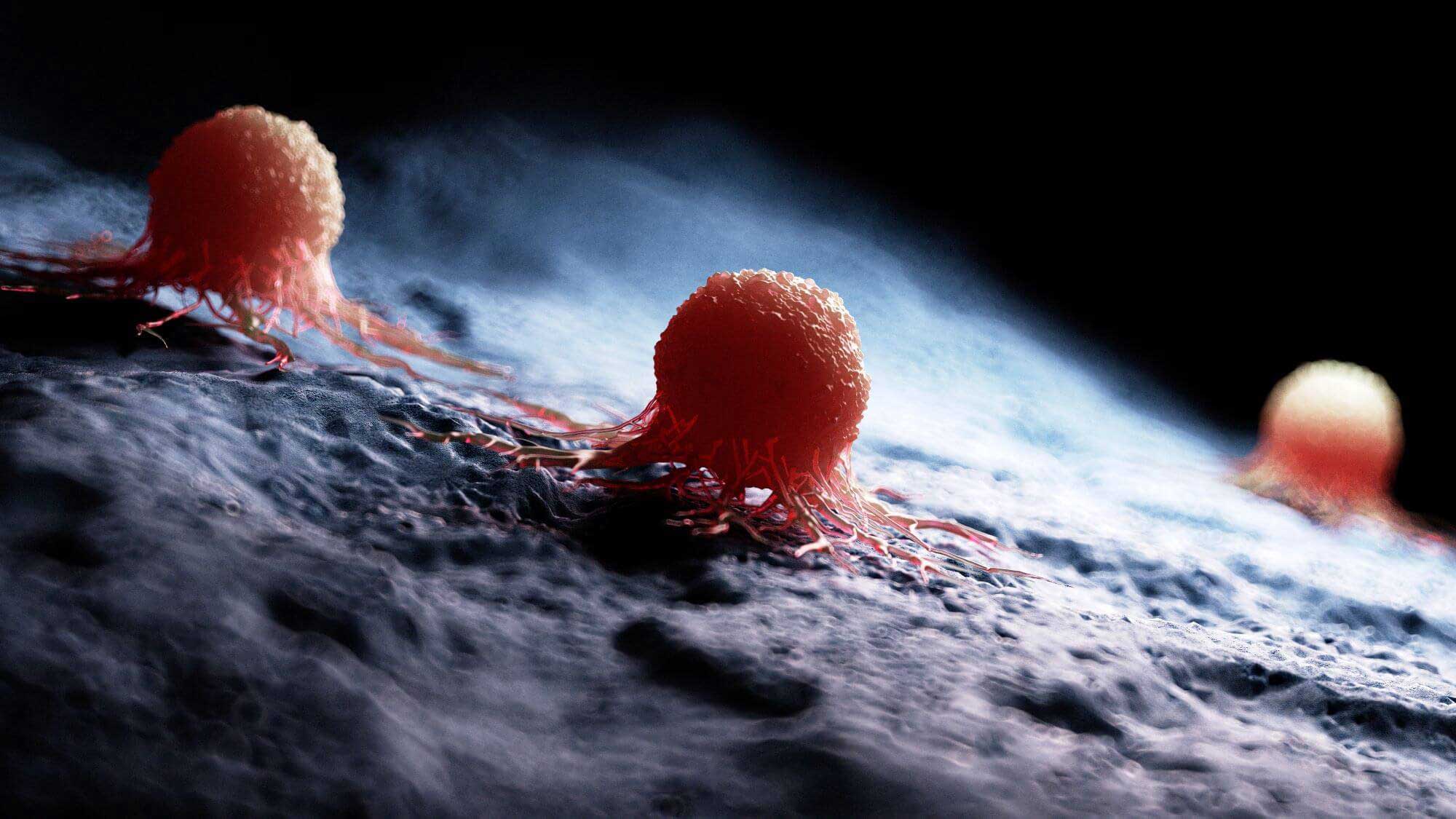
The IARC classification system ranks agents based on the strength of scientific evidence that they can cause cancer. Group 1 is the most certain category and includes agents where there is sufficient evidence from human studies showing a causal link with cancer.
This doesn’t mean processed meats are just as dangerous as smoking a pack of cigarettes every day—but it does mean the scientific evidence is strong enough to say: yes, these foods can cause cancer in humans. The classification focuses on hazard (can it cause cancer?), not on how big the risk is. Healthy diets and moderation matter hugely.
🥓 Common Lunch Foods on the Watchlist
So which lunch table staples are we talking about? The processed meat category includes many everyday foods commonly found in packed lunches or sandwiches:
-
Bacon
-
Ham and deli meats (turkey ham, roast beef, cold cuts)
-
Sausages and hot dogs
-
Salami, pepperoni and other cured meats
-
Luncheon meats and canned meat spreads
These products are typically transformed from fresh meat through curing, smoking, salting, or adding preservatives such as nitrates and nitrites, which are the main causes of concern.
Why Are These Foods Associated with Cancer?
1. Formation of Harmful Chemicals

Many processed meats contain nitrates and nitrites—added to preserve color, flavor, and shelf life. In the body, these compounds can form N‑nitroso compounds (NOCs), which are capable of damaging DNA and may play a role in tumor formation, especially in the colon and rectum.
2. Cooking at High Temperatures
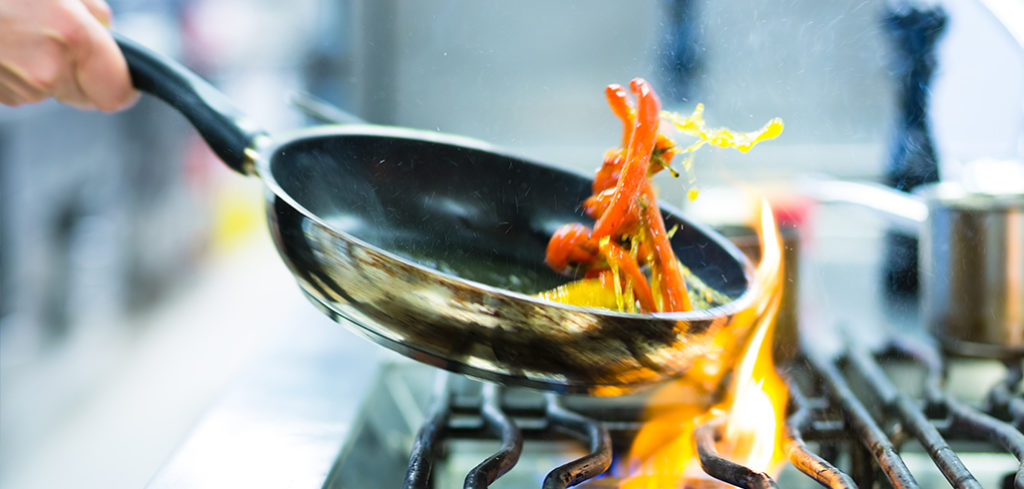
Cooking methods like grilling, frying or roasting at high heat can create heterocyclic amines (HCAs) and polycyclic aromatic hydrocarbons (PAHs). These chemicals have been shown in lab studies to damage DNA and lead to cancer in animal models and are suspected contributors to human cancer risk.
3. Salt and Preservatives
:max_bytes(150000):strip_icc()/GettyImages-107478767-5c268d9a46e0fb000117c2d1.jpg)
Highly salted and preserved meat products contribute to chronic inflammation and may alter gut cells, which can increase susceptibility to cancer development.
🥩 Red Meat vs. Processed Meat: What’s the Difference?
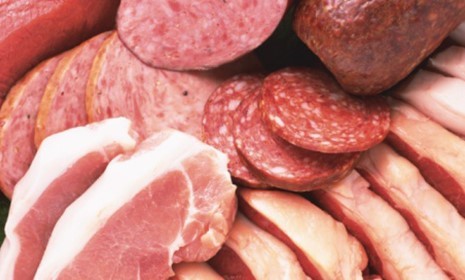
It’s important to distinguish between red meat and processed meat:
-
According to the WHO, processed meats, which undergo alterations through salting, curing, smoking, fermentation, or other processes, are classified as carcinogenic to humans (Group 1). In contrast, unprocessed red meat, such as beef, pork, and lamb, has been assigned to Group 2A, indicating that it is probably carcinogenic, although the supporting evidence is less substantial compared to processed meats. Consequently, the consumption of items like ham sandwiches and hot dogs presents a stronger link to cancer risk compared to grilled steak; however, both categories should be considered within the context of a health-conscious dietary plan.
📊 What Does the Risk Look Like?
Scientific analyses estimate that consuming 50 grams of processed meat a day—equivalent to about one hot dog or a couple of bacon strips—can increase the relative risk of colorectal cancer by around 18% compared to no consumption. While this increase might sound modest, over years and decades it can contribute to meaningful health effects, especially combined with other risk factors like smoking, lack of exercise, or poor diet quality.
It’s also important to note that risk increases with amount eaten: higher intake equals higher cancer risk.
🥗 Practical Ways to Reduce Risk
You don’t have to swear off all lunches to stay healthy. Here are practical, science‑backed tips:
1. Limit processed meats: Treat bacon, ham, sausages, and cold cuts as occasional indulgences.
2.Choose fresh protein: opt for grilled chicken, fish, beans, lentils, tofu, or eggs.
3.Increase fiber intake: Include fruits, vegetables, and whole grains.
4.Cook smart: Grill at lower temperatures and avoid charred edges.
5.Balance your plate: Think colorful veggies, healthy fats, and lean proteins.
🧠 Final Takeaway
WHO cancer experts have classified processed meats, many of which are common lunch foods, as cancer-causing, supported by substantial evidence. These findings underscore how everyday dietary choices influence long‑term health. While eating processed meats occasionally won’t guarantee cancer, high and frequent consumption does raise risk.
=””>d=”6151″>Understanding these classifications and how they apply to real meals is the first step toward wiser choices to protect your future well-being.
