

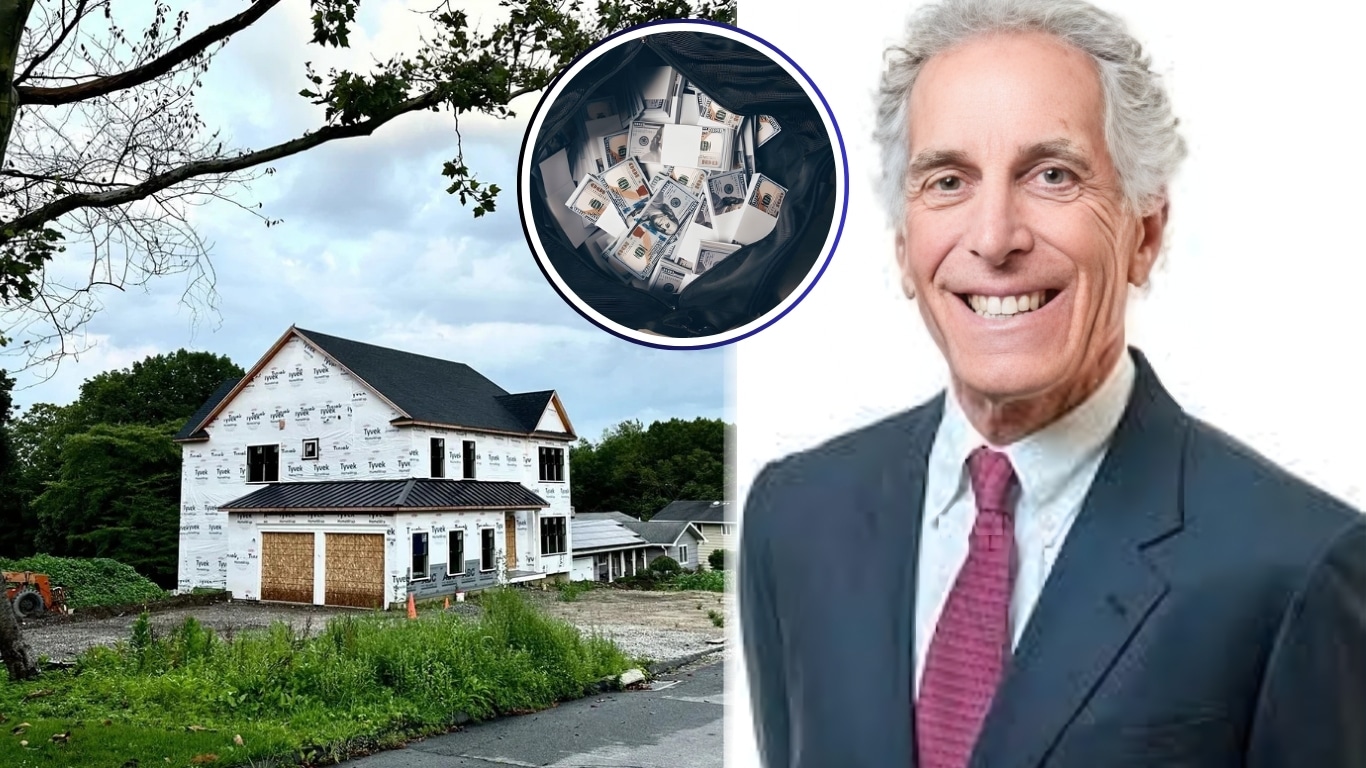
Imagine buying a piece of land with a dream — perhaps to build a family home someday or to simply hold on to it as an heirloom — and then decades later, returning to find a luxury house already standing there. That’s exactly what happened to Dr. Daniel Kenigsberg, a Connecticut man who was blindsided by a shocking discovery when he visited the property he had bought over 30 years earlier.
🏡 The Surprising Discovery
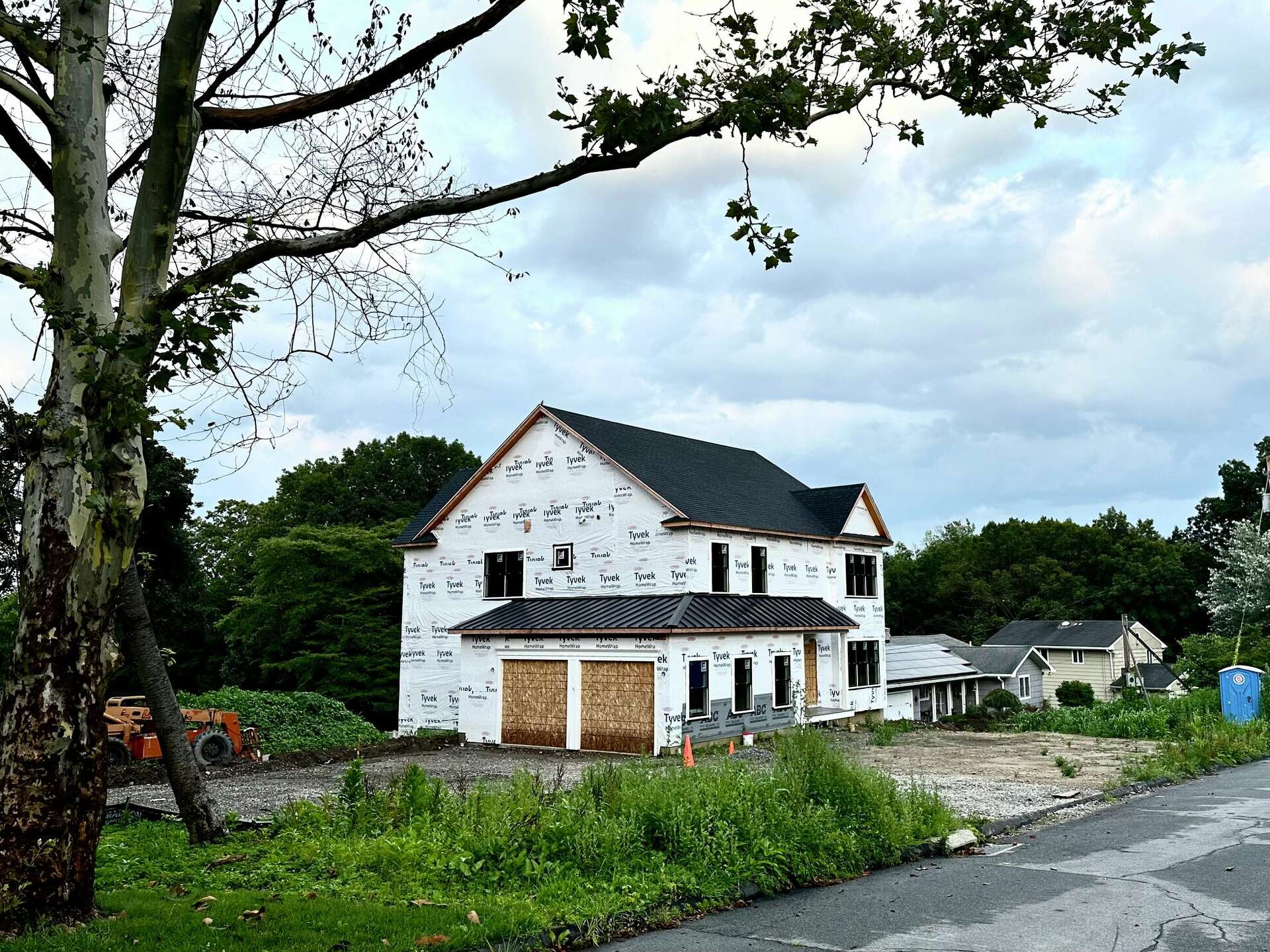
Dr. Kenigsberg bought a half‑acre plot of land at 51 Sky Top Terrace in Fairfield, Connecticut back in 1991 — a property he had held onto for sentimental reasons and hoped to someday pass down to his children.
But when he returned to visit the land in 2022, he was stunned to find something he never expected: a nearly completed four‑bedroom house valued at around $1.5 million sitting smack in the middle of his own property — and he had no idea it was happening.
Records later showed that the land had been sold in 2022 to a company called 51 Sky Top Partners LLC for about $350,000 — but Kenigsberg insists he never authorized or knew anything about the sale.
📜 How Did This Happen? A Case of Alleged Fraud

According to court filings and property records, the sale was executed using what appears to have been fraudulent paperwork. The deed was allegedly signed with a power of attorney that Kenigsberg claimed he never granted, and the land was quietly transferred to new ownership — allowing construction to begin without the original owner’s knowledge.
Kenigsberg said he had no intention of selling the property and had always planned to keep it undeveloped. He was raised in a nearby family home purchased by his father in the 1950s, and this adjacent plot had been part of his future plans.
“When I found the house being built, I simply couldn’t believe it,” Kenigsberg told reporters at the time. “I own that land, and I never sold it.”
⚖️ Legal Battle: Fighting Back Against the Unauthorized Sale

Rather than simply accepting the situation, Kenigsberg filed a lawsuit against the parties who bought and developed the land, claiming multiple violations including trespass, statutory theft, unfair trade practices, and fraudulent transfer of property. His legal action initially sought to void the 2022 sale and to restore the land to its original condition — including the removal of the unauthorized home.
In some reports, he also sought compensation and damages estimated at up to $2 million, reflecting his lost opportunities and the value of the improvements that had been placed on the property without his consent.
The developers, for their part, later claimed they themselves had been victims of a scam, arguing that the fake power of attorney misled them into believing the sale was legitimate. They even cooperated with local authorities, including police and the FBI, in investigating the fraudulent transaction.
🏡 Settlement and Outcome

After years of legal wrangling, the dispute eventually reached a settlement outside court. Reports from late 2024 indicated that Kenigsberg was awarded an undisclosed financial settlement, and the property — including the newly built house — was ultimately sold to new buyers for around $1.4 million.
While the exact details of the settlement were not publicly disclosed, the resolution meant that Kenigsberg was compensated for the loss of his property and its improvements, even if he wasn’t able to personally reclaim the land with the house still standing.
📍 Why This Case Matters
This strange and dramatic episode highlights several important issues that many landowners may overlook:
🧾 1. Title and Ownership Can Be Vulnerable to Fraud
Even long‑held property can be illicitly sold if paperwork is forged and safeguards fail — a risk that title insurance and careful legal verification aim to prevent.
🏛️ 2. Property Law Is Complex
Land disputes can arise even when ownership seems clear, and resolving them often involves lengthy litigation, settlements, and sometimes federal investigations.
🏘️ 3. Real Estate Isn’t Just About Bricks and Land
For Dr. Kenigsberg, the property was also deeply personal — tied to childhood memories and family heritage. Finding a home built there without his knowledge was more than a legal problem; it struck at his personal history.
🧠 What Experts Say About Similar Cases

Real estate experts note that cases like this, though rare, are not unheard of. Title fraud — where someone illegally transfers land without the owner’s consent — can occur when records are submitted with forged signatures or false identification. In some states, title insurance may protect buyers and sellers, but even that has limits if fraud is sophisticated and undetected.
📝 Conclusion: A Property Shock Almost Too Strange to Believe
Dr. Daniel Kenigsberg thought he had secured a piece of land that would stay in his family — a quiet, undeveloped parcel adjacent to where he grew up. Instead, after more than 30 years, he returned to find a luxury house worth about $1.5 million built upon it without his consent.
The case turned into a substantial legal battle over fraud, real estate rights, and the protections (or lack thereof) available to long‑distance landowners. In the end, Kenigsberg received compensation through a settlement, but the experience stands as a cautionary tale for anyone who owns or buys land and then leaves it undeveloped for years.
