

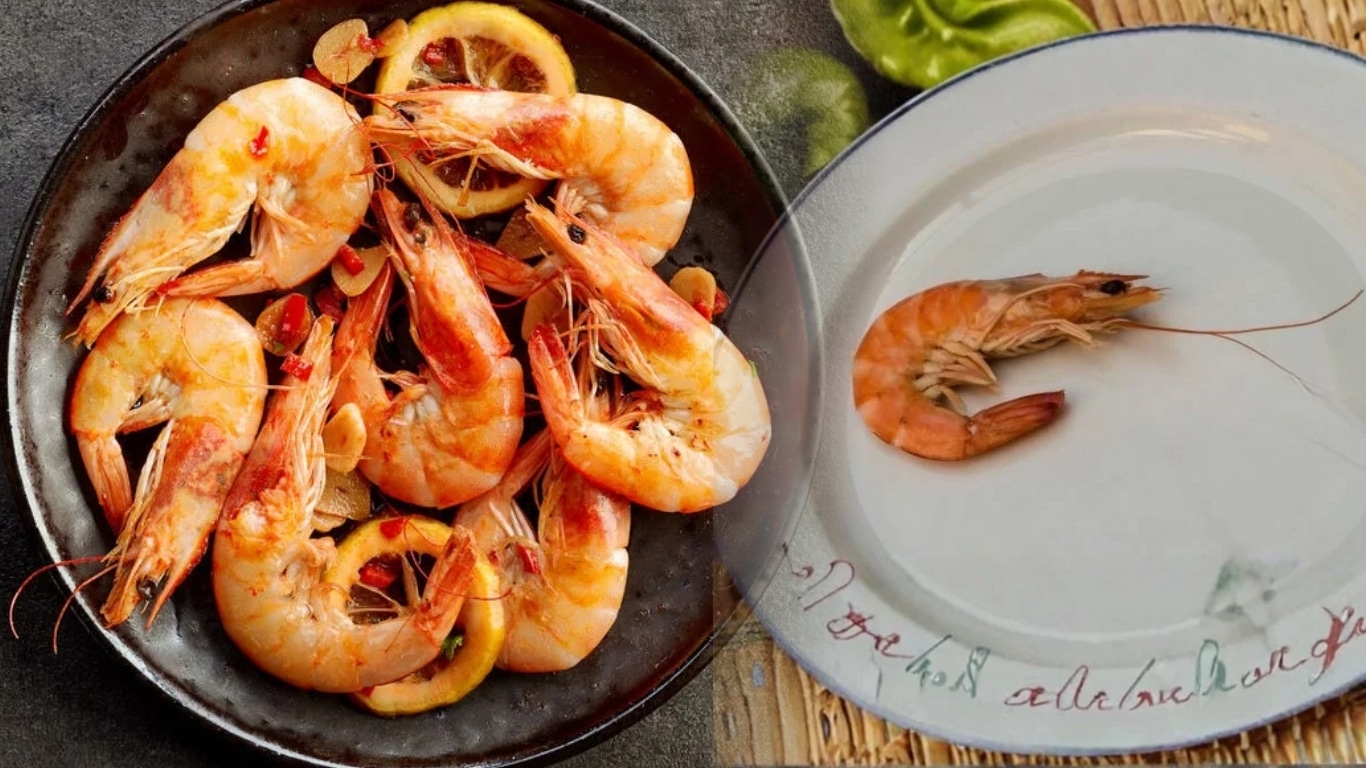
Imagine sitting down for a seafood meal — and your shrimp start wriggling as if they’re still alive. Videos of this astonishing phenomenon have been spreading across social media and food platforms, stunning viewers worldwide and sparking intense reactions. At the heart of the trend is a traditional Southeast Asian dish known as Goong Ten, or “dancing shrimp” — a culinary delicacy where freshwater shrimp still show movement when served on your plate.
Whether you find it fascinating or unsettling, the viral clips aren’t just a bizarre food trend — they’re also opening up a broader conversation about cultural cuisine, personal choices, and the surprising ways food traditions continue to captivate the internet. Here’s the full story behind these lively shrimp plates and why what happens next has millions talking.
🌍 The Viral Sensation: What Are These Moving Shrimp?
Videos showing shrimp that seem to dance, twitch, or wriggle on a plate are not CGI or hoaxes. They capture a real dish known as Goong Ten — a traditional Thai street food commonly referred to as “dancing shrimp.”
In Goong Ten, live freshwater shrimp are mixed at the table with a tangy combination of lime juice, fish sauce, chilies, mint, shallots, and sometimes lemongrass. The acidity and spices don’t instantly kill the shrimp, so the animals continue to move their legs and antennae — giving the appearance of shrimp literally dancing on your plate.
A viral video shared by a food vlogger captured this scene dramatically, as the shrimp writhed even after being dressed in a spicy salad mix — and the clip quickly racked up millions of views. People online were divided: some were intrigued by the culinary novelty, while others were shocked or even disturbed by the idea of eating shrimp that are still active in front of them.
🍽️ Goong Ten — More Than Just a Viral Trend

Goong Ten isn’t a new dish — it’s a part of northern Thailand’s street food tradition. Locals and adventurous eaters have enjoyed it for years, long before it became a viral sensation.
While many diners see it as a test of bravery or a must‑try cultural experience, critics argue that the dish raises ethical questions about consuming animals that are still alive or responsive. Some food enthusiasts describe it as an extreme version of ceviche, where the freshness of the seafood is taken to the limit by serving the shrimp lively and active.
To many travelers, the experience is memorable not just because of the taste — which is often described as spicy, tangy, and aromatic — but because it’s so visceral. Another Instagram reel showcases diners trying Goong Ten, with reactions ranging from delight to shock as the shrimp move even during consumption.
🤯 Reactions Around the World: Shock, Curiosity, and Pride
Since clips of dancing shrimp spread online, reactions have varied widely:
-
Fans of adventurous cuisine have praised the dish’s uniqueness and bold flavors. Some enjoy Goong Ten as an authentic cultural experience and an unforgettable part of Thai street food culture.
-
Food traditionalists appreciate the authenticity and celebration of local culinary heritage. For many Thais, Goong Ten is less about shock value and more about savoring the freshest seafood possible.
-
Critics and animal welfare advocates have expressed discomfort, arguing that eating shrimp that are still capable of movement can seem cruel or ethically questionable. These debates have spread into the comments on social media, with some users calling the practice “barbaric,” while others defend the dish as a traditional delicacy.
Interestingly, this isn’t the only cuisine where live or moving seafood is served. Dishes like Odori ebi in Japan feature live shrimp or other seafood that continue to twitch due to neural activity when served immediately after preparation — revealing that such traditions exist in multiple cultures.
⚠️ Is It Safe to Eat Moving Shrimp?

While Goong Ten is popular and widely enjoyed, eating live or moving seafood isn’t without risks. Raw and uncooked seafood can carry pathogens and parasites that may pose health hazards if consumed improperly. Experts often advise caution with live seafood dishes because of these potential risks.
Many street vendors who specialize in Goong Ten ensure that the shrimp are very fresh and prepared quickly to reduce the danger of contamination — but as with all raw and live seafood, some level of risk remains.
🌀 Why This Viral Food Trend Still Matters
The phenomenon of shrimp that move on your plate goes beyond shock value. It highlights:
✔ The power of social media to propel obscure or regional foods into global awareness.
✔ Cultural diversity in culinary traditions, reminding audiences that food norms vary widely across the world.
✔ Ethical conversations about how we source and consume animal products.
For many food lovers, trying Goong Ten is not just about the flavor — it’s about embracing the experience, even if it’s surprising or challenging. Whether you find the idea thrilling or unsettling, the viral videos have put this traditional Thai dish in the international spotlight.
🌶️ Final Takeaway
Shrimp that appear to move on your plate may seem unbelievable — but thanks to viral social media videos, dishes like Goong Ten have captivated people around the world. These shrimp don’t defy physics — they’re simply a vivid reminder of how rich and diverse global food traditions can be, and how the most unexpected culinary practices can become the hottest trends online.
