

Unwelcome Cheers? The Boos Heard ‘Round the Stadium
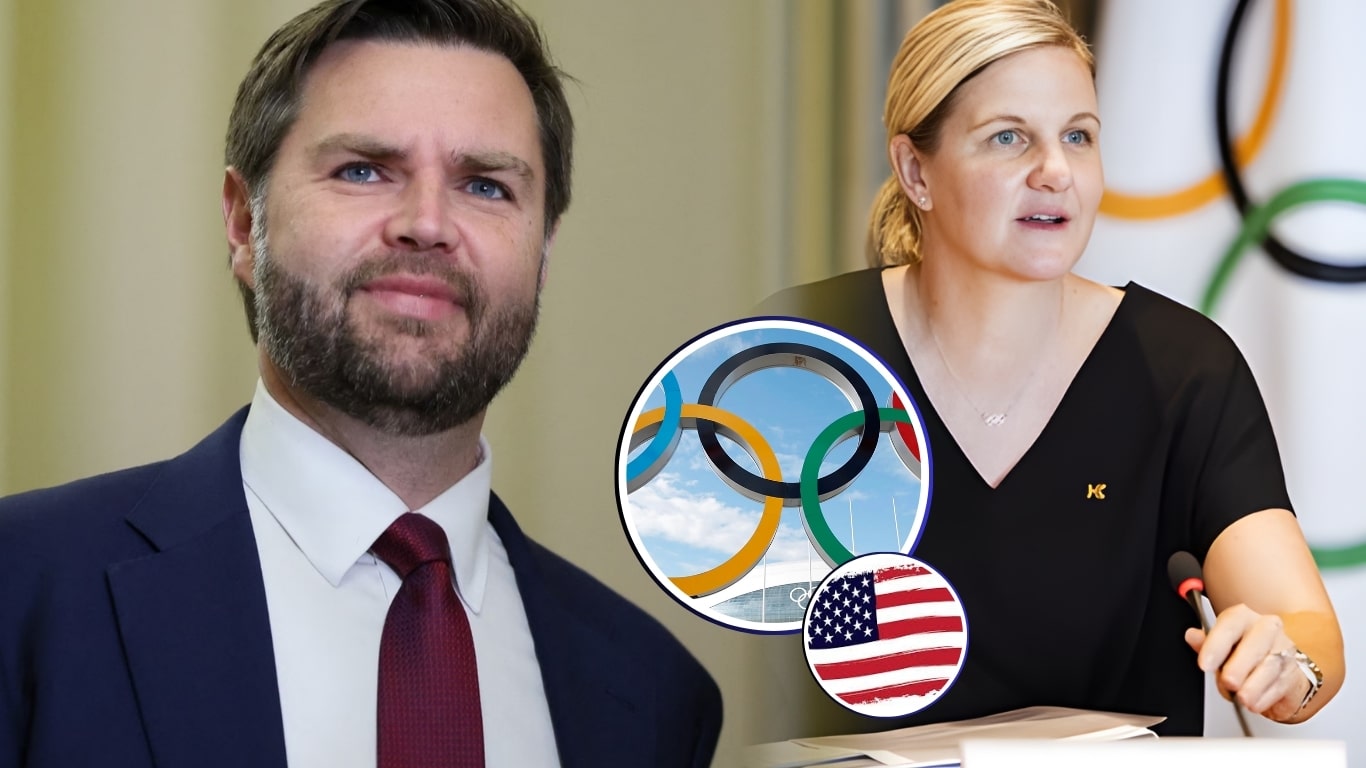
The most noticeable disruption came when the United States delegation entered the stadium. The team itself — the largest American Winter Olympics delegation in history — was initially greeted with loud applause and enthusiasm. However, that changed when cameras cut to U.S. Vice President J.D. Vance and his wife, Usha, who were in attendance as part of the dignitary contingent. The broadcast feed picked up boos, whistles, and jeers from the crowd almost immediately upon seeing his image on the big screen.
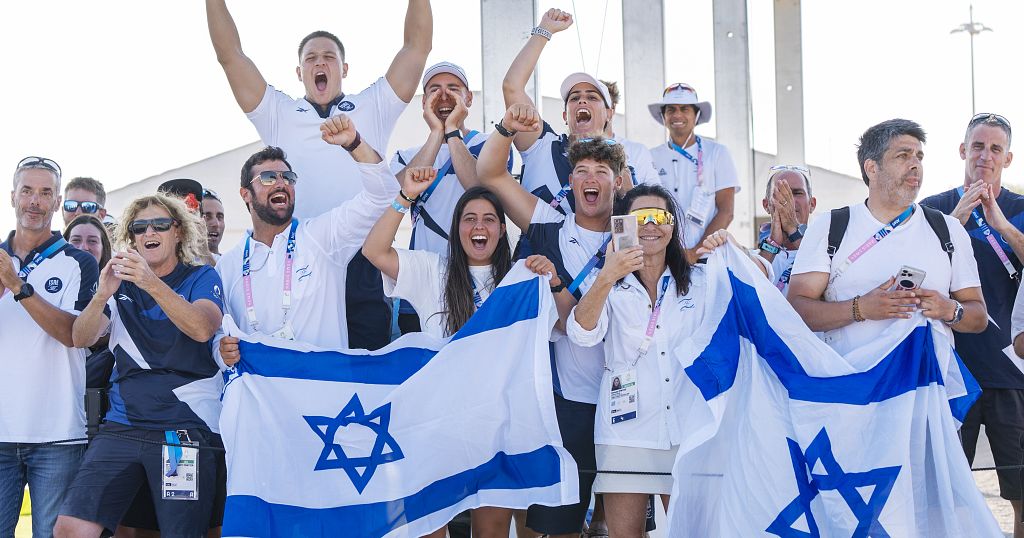
Shortly afterward, when the Israeli Olympic team — a small delegation of four athletes — walked into the stadium, they too were met with a smattering of boos, albeit quieter and more sporadic. The loud soundtrack playing within the stadium often drowned out the sound, but spectators and journalists reported that the hostile reaction was nevertheless noticeable.
This marked a rare moment in modern Olympic history: visible political disapproval directed toward national delegations during an opening ceremony. Traditionally, the Parade of Nations is one of the most rousing and joyous parts of the Olympic celebration — a time to honor the athletes and the shared spirit of competition.
Why Did the Crowd Boo?
To understand this, it’s important to acknowledge that these Games were not being held in a political vacuum.
For the United States, the boos directed at Vice President Vance were widely interpreted as a reaction to recent and controversial U.S. political policies — especially concerning federal immigration enforcement. In Milan, there had been protests in the days before the Games against the presence of U.S. Immigration and Customs Enforcement (ICE) agents as part of the Olympic security detail. Critics in Italy, including the mayor of Milan, had openly voiced opposition to ICE’s involvement, framing it as a symbol of harsh immigration practices.
In the case of Israel, the response from certain quarters of the crowd also reflected broader geopolitical tensions — particularly those related to the ongoing conflict in Gaza and the wider Middle Eastern landscape. Although the athletes themselves received cheers in other parts of Italy, the fact that boos were audible during their entrance spoke to the reality that global politics have seeped into even the most apolitical sporting traditions.
These reactions underscore a broader shift in how international sporting spectacles are experienced — fans no longer separate the actions of governments from the symbolic representation of their nations on the world stage.
The Olympic Committee’s Measured Response
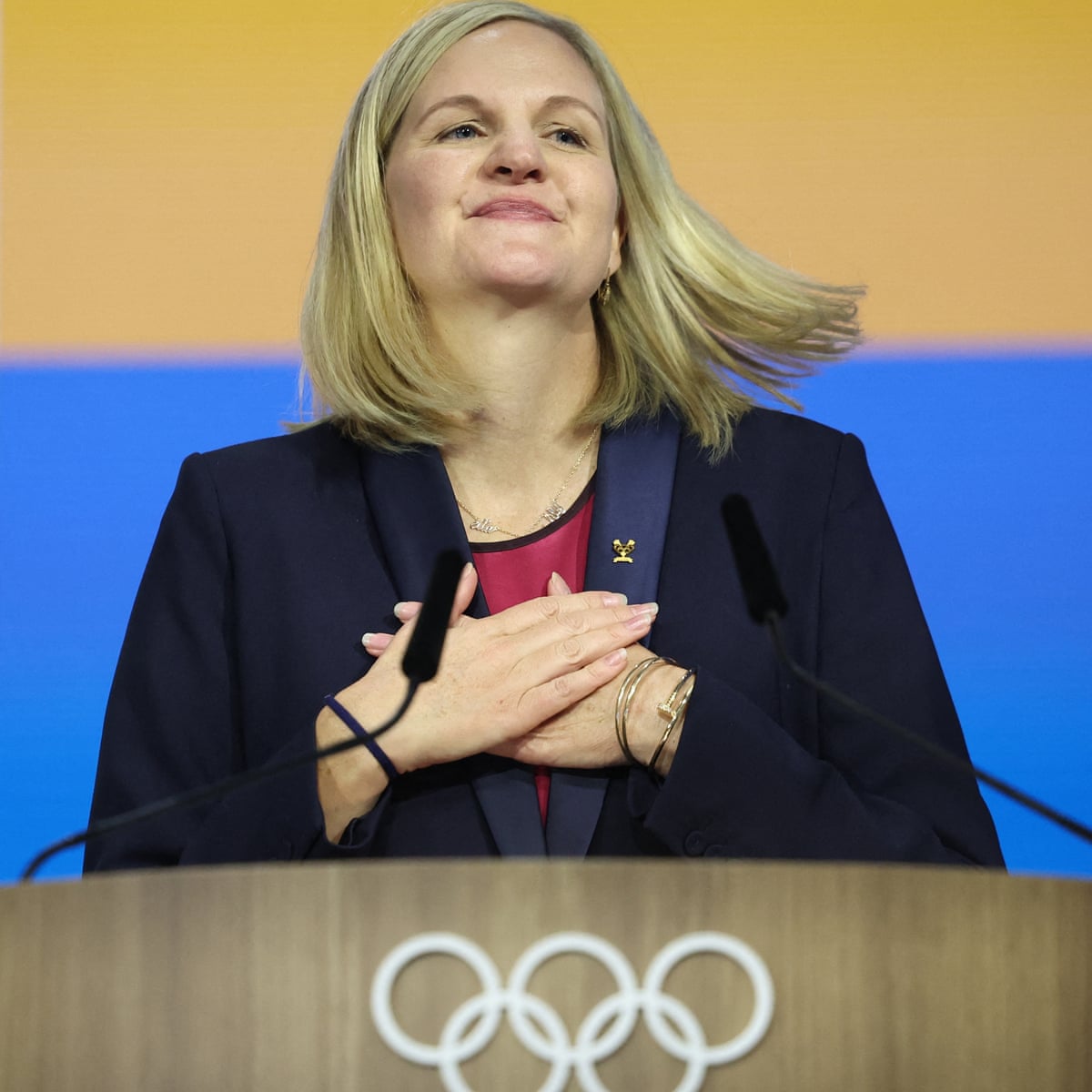
Anticipating potential disruptions, International Olympic Committee (IOC) President Kirsty Coventry had urged viewers and spectators in the host cities to maintain decorum and respect during the ceremony. Her appeal emphasized the Olympic values of unity and respect for all participants, regardless of their nationality or political context.
After the boos occurred, an IOC spokesperson reiterated this stance in a statement, stressing that the organization promotes fair play and respectful behavior at all times — not just among athletes, but among spectators as well. The spokesperson also noted that the Olympic movement is stronger when focused on athletic achievement rather than political protest.
The sentiment reflected the IOC’s long‑standing position that the Games should remain separate from geopolitical disputes, even when global tensions are high.
A Broader Trend — and a Tough Balancing Act
The controversy highlights a deeper and emerging challenge for international sports organizations: how to uphold the apolitical spirit of athletic competition in a world where political grievances and global conflicts are increasingly visible.
Even as the IOC works to keep the Games centered on sportsmanship and unity, national and global issues inevitably shape fan and media reactions. The 2026 Winter Olympics were not the first Games to experience political expression — historical protests, such as the Black Power salute at the 1968 Summer Olympics or the boycott movements in various years, have shown how deeply world events can intersect with the Olympic stage.
Nonetheless, the audible boos directed at two separate delegations during the Parade of Nations was a stark reminder that the environment surrounding modern Olympics is vastly different from the quieter, less polarized world of decades past.
Looking Ahead
Despite the controversy, the Milan–Cortina Games have continued, and many athletes have focused on competition rather than distraction.
For the IOC, the moment serves as both a challenge and a lesson. Preserving the integrity of the Olympic ideal — where sport rises above politics — will require nuance, patience, and perhaps new ways of engaging with audiences around the world.
Ultimately, it’s a reminder that even the most revered global traditions are not immune to the pressures of the times. The Olympic flame may burn for unity and peace, but it does so in a world full of complex and sometimes conflicting realities.
