


Nearly Had a “Coregasm” in My Fitness Class: The Triggering Exercise I Now Avoid

You know that moment in a fitness class when everyone’s suffering together—shaking through reps, trying to look calm, pretending you’re totally fine? Now imagine your body deciding, right then, to flirt with orgasm.
That’s the reality behind the internet-famous term “Coregasm”: an exercise-induced orgasm (EIO) or exercise-induced arousal (EIA) that happens during training—often during intense core work—without any sexual intent. Researchers have been documenting this phenomenon for decades, and modern studies confirm it’s real, it’s not “all in your head,” and it’s more common than most people assume. (Healthline)
What exactly is a “coregasm”?

A coregasm is a slang term for orgasm or orgasm-like sensations triggered by exercise, especially exercises that demand heavy abdominal bracing and involve the deep core and pelvic region. Medical and research literature typically uses terms like exercise-induced orgasm (EIO) and exercise-induced arousal (EIA). (PubMed)
For some people it’s a mild wave of arousal; for others it can be intense enough to feel like an orgasm is imminent—which can be distracting or embarrassing in a group setting.
The move that most often triggers it: intense leg-raise style core work
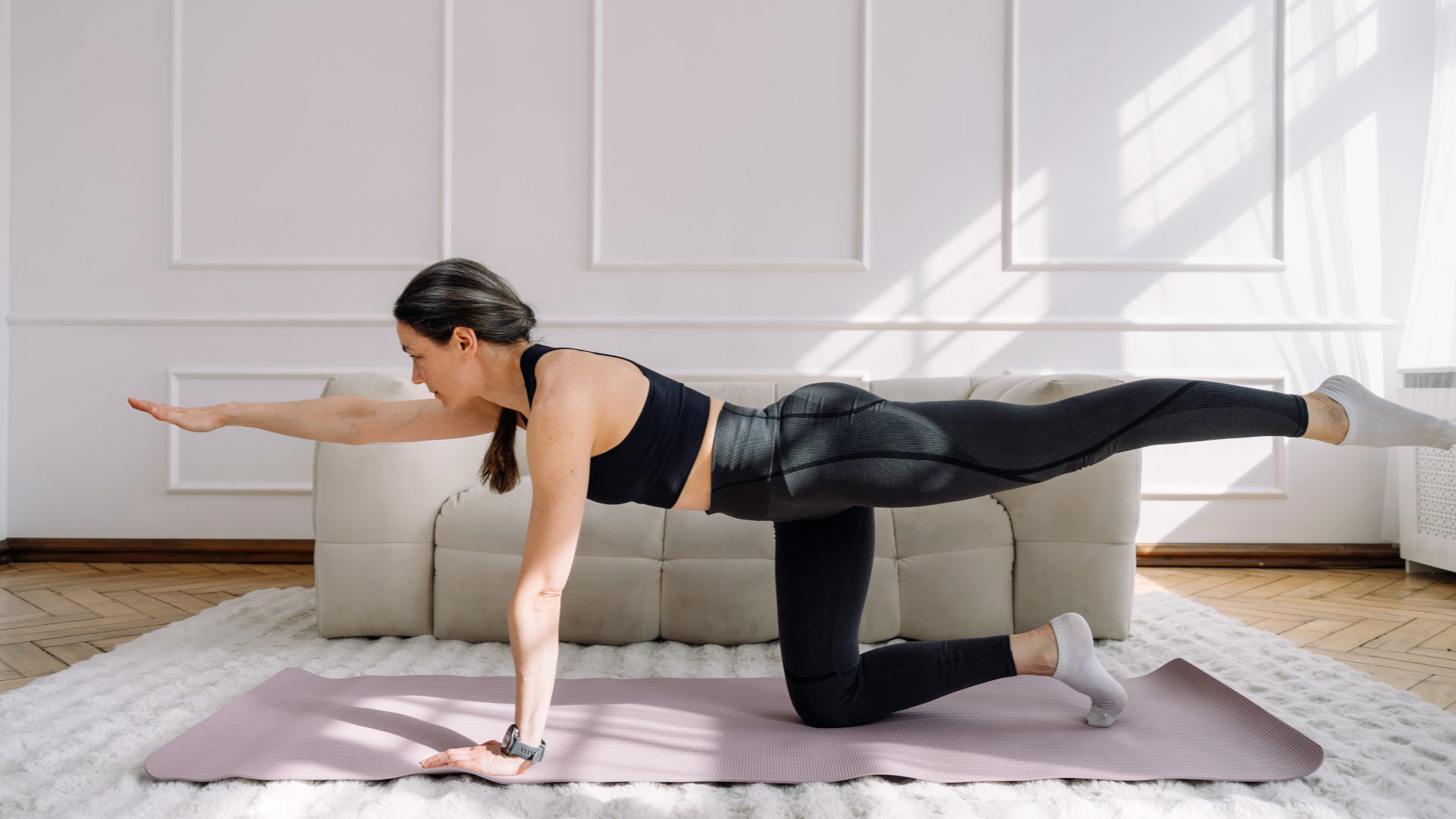
In viral personal stories, the “oh no” moment often arrives during moves like leg raises (think Pilates-style lowers, hanging leg raises, or “legs long and low” variations). That tracks with research: people frequently link EIO to exercises that involve strong, sustained core activation—including leg lifts, sit-ups/crunches, planks/push-ups, climbing/rope-type movements, cycling/spin, yoga, and even some forms of weightlifting. (PMC)
So if you’ve ever felt a sudden, surprising “build” during a tough set of abs—especially when your lower abs are on fire—you’re in familiar territory.
Why it happens (the best science-backed explanations)
Researchers don’t point to one single cause, but a few mechanisms show up repeatedly:
1) Core + pelvic floor co-contraction
Your deep core system (including the transverse abdominis and diaphragm) works closely with the pelvic floor muscles to stabilize your trunk. When you brace hard—especially under fatigue—your pelvic floor may contract rhythmically or intensely. Those contractions are also part of orgasm physiology, which helps explain the overlap. (Healthline)
2) Nerve stimulation + pressure
Some exercises create pressure and positioning that may indirectly stimulate nerves in the pelvic region (without direct genital contact). Repetitive motion, hip flexion, and sustained tension can contribute. In qualitative interviews, participants commonly described the role of muscle fatigue, intensity, breathing, and body positioning in triggering EIO. (PMC)
3) It’s not necessarily “sexual”
A key point from research coverage is that EIO can occur without sexual thoughts or fantasies, which is part of what makes it feel so surprising. (PubMed)
Why someone might want to avoid it
Not everyone experiences coregasms as a fun “bonus.” If it happens in a crowded studio class, it can feel mortifying. Even when it’s not full orgasm, the sensations can interrupt form and focus. And for some, it may feel like loss of control—one report found a subset of participants described little to no control over the experience. (New York Post)
If it’s unwanted, it’s completely valid to treat it like any other training problem: identify the trigger, adjust, and move on.
How to reduce the chances of a coregasm in class
Here are practical, low-drama strategies that align with what clinicians and pelvic health educators commonly recommend:
Swap the trigger exercise
If leg raises (or hanging knee/leg raises) set it off, sub in:
- dead bugs (keep ribs stacked, move slower)
- Pall of press holds
- side plank variations (shorter sets)
- bird-dog with a gentle brace
The goal is still core strength—without the same pelvic intensity.
Avoid breath-holding and hard “bearing down”
Many people unintentionally hold their breath (Valsalva-style) and increase downward pressure. Try: exhale on effort, keep the belly “braced” but not clenched, and avoid pushing down through the pelvis.
Reduce fatigue stacking
Coregasms often show up when you’re already fried. If it’s happening at the end of class, modify sooner: smaller range of motion, fewer reps, longer rest.
Change positioning
Small tweaks—like bending knees during lowers, elevating the legs, or keeping a more neutral pelvis—can reduce the trigger.
Consider pelvic floor physical therapy if it’s frequent or distressing
Pelvic floor specialists help people learn coordination: when to contract, when to relax, and how to manage symptoms tied to pelvic floor function. A major cancer center overview notes pelvic floor PT addresses the pelvic floor in a whole-body way (and isn’t only for postpartum people). (MD Anderson Cancer Center)
When to check in with a clinician
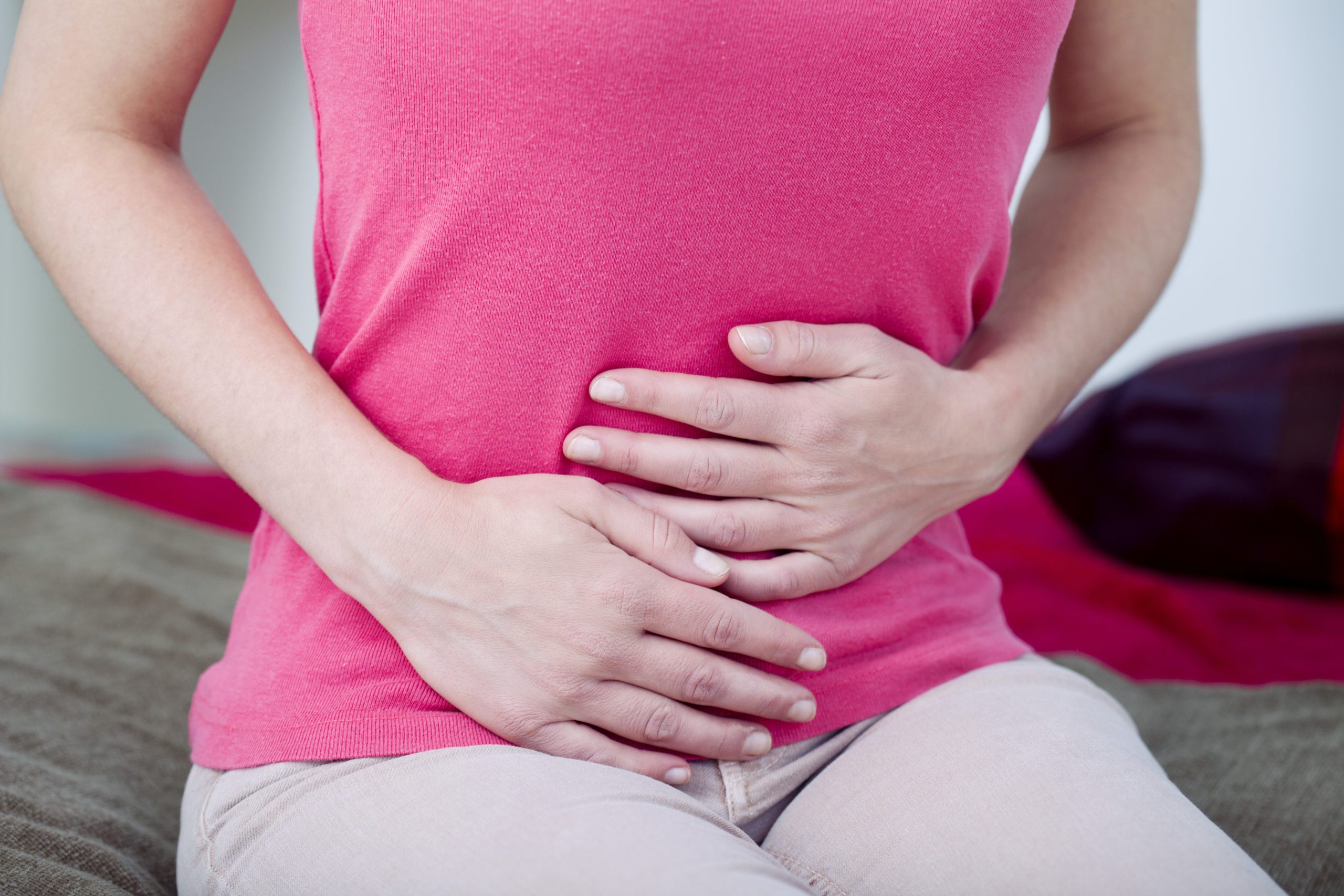
A coregasm on its own isn’t automatically a medical problem. But if you also have pelvic pain, pain with sex, urinary leakage, heaviness/pressure, or persistent discomfort, it’s worth talking with a healthcare professional or pelvic floor PT to rule out pelvic floor dysfunction or other issues.
The bottom line
A near-coregasm in a fitness class is awkward, yes—but it’s also a documented body response linked to intense core demands and pelvic floor involvement. The simplest fix is often the most effective: identify the move (commonly leg raises or other high-tension ab work), adjust breathing and intensity, and choose alternative core exercises that keep you strong without the surprise finale.
If you want, tell me what style of class it was (Pilates, HIIT, spin, strength) and which exact exercise triggered you, and I’ll suggest a short list of discreet substitutions that train the same muscles.
