

A Disorder With Deep Biological Roots

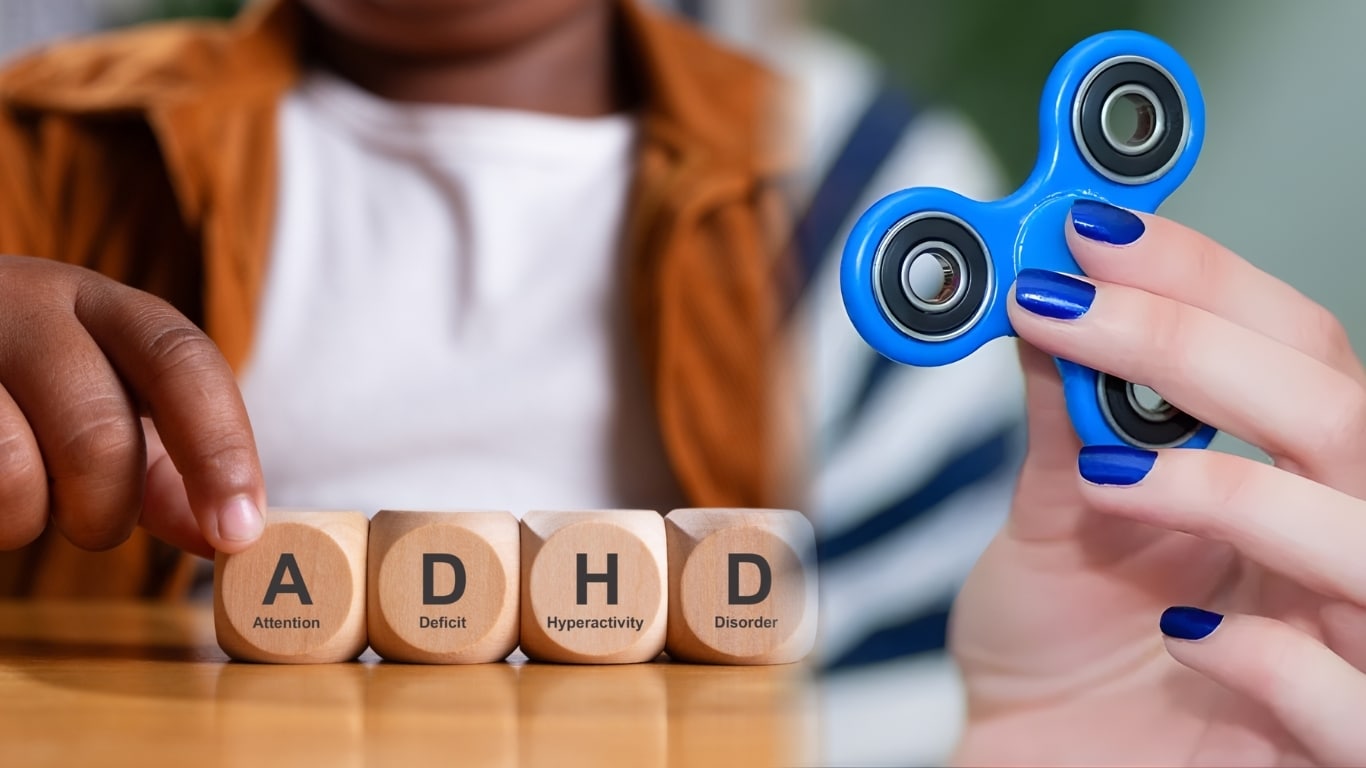
First, let’s be clear: ADHD is a real neurodevelopmental condition. It is associated with differences in brain development and function, particularly in regions that regulate executive functions, such as planning, attention, and impulse control. Its symptoms include inattention, impulsivity, and hyperactivity that are excessive for a person’s age and context.
Research consistently shows that genetics play a major role in ADHD — with heritability estimates often above 70 % — and it’s not a disorder that people choose to suddenly develop because of trends. It also frequently persists into adulthood, even if it was undiagnosed in childhood.
Despite this, many people today are connecting everyday distractions — like difficulty concentrating, procrastination, or restlessness — to ADHD without formal evaluation, sometimes leading to confusion and misunderstanding.
Why “Everyone Has ADHD” — The Real Drivers Behind the Phenomenon

1. Awareness Has Exploded
One of the biggest reasons ADHD now feels ubiquitous is simple: people know more about it than ever before. Decades ago, many adults — especially women — went through life without ever being evaluated for the condition, even if they showed persistent symptoms. Today, the diagnostic criteria recognize that ADHD looks very different in adults and in people who don’t exhibit hyperactivity as a child.
Improved understanding means that many adults are finally recognizing lifelong patterns in themselves that weren’t acknowledged in years past — and seeking diagnosis later in life.
2. Reduced Stigma Encourages People to Talk About It
In the past, ADHD — like many mental health conditions — carried heavy stigma. Families, schools, and clinicians were often hesitant to diagnose or talk openly about it. That’s changing. Today, mental health is widely discussed, and more people feel comfortable sharing their experiences.
This decrease in stigma drives more self‑awareness and self‑reporting — which means doctors are hearing about cases that went unaddressed in previous generations.
3. Diagnostic Practices Have Broadened
The way ADHD is diagnosed has changed too. With updates in clinical guidelines and increased recognition of how symptoms present differently across age, gender, and life stages, clinicians are identifying cases that would once have been overlooked. Adults — especially women — are now more likely to receive a diagnosis because doctors are aware that symptoms can look different than the disruptive behaviors often seen in hyperactive boys.
This doesn’t necessarily mean more people actually have the neurobiological condition — it means more people are being correctly identified when they do.
4. Social Media Amplifies ADHD Conversations — For Better and Worse
Platforms like TikTok, Instagram, and YouTube have played a huge role in making ADHD a cultural talking point. Hashtags like #ADHD have garnered billions of views, with creators sharing personal experiences, symptom lists, and coping strategies.
This has undeniably helped many people recognize symptoms and seek professional help — especially those who might have never questioned why they struggle with focus or organization.
But there’s a flipside: misinformation spreads easily online. Short symptom lists and informal checklists can mistakenly encourage self‑diagnosis or lead people to believe they have ADHD when they might not.
Psychologists warn that social media content might oversimplify or blur the line between normal behavior and clinical symptoms, making ADHD seem more common than it actually is at a population level.
5. Modern Life Pressures Mimic ADHD Symptoms
It’s also worth noting that many aspects of modern life – constant notifications, multitasking, work-from-home distractions, screen fatigue, poor sleep, and stress – can mimic ADHD-like symptoms without meeting the clinical definition of the disorder. For example, heavy social media use has been linked in research to impaired attention in children. While this doesn’t prove social media causes ADHD biologically, it illustrates how the digital environment can affect concentration and behavior patterns reminiscent of ADHD. This can blur the lines between a true neurodevelopmental disorder and normal responses to an increasingly overstimulating world, making it feel like “everyone has it.”
So, Is ADHD Actually Increasing?

Data shows that diagnoses — especially in children — have risen over the past decades, but actual prevalence (the true underlying rate) isn’t necessarily changing dramatically. Some studies suggest that rises in ADHD diagnosis reflect better identification, awareness, and reporting more than a real explosion in new cases.
The CDC reports that millions of children are diagnosed with ADHD in the United States, and that number has increased compared to previous years — but increases in diagnoses do not automatically mean increases in real incidence.
What Experts Want You to Know
- Clinical evaluation is key: ADHD diagnoses should only be made by qualified health professionals using comprehensive assessments. Online quizzes and TikTok checklists are not replacements for clinical evaluation.
- Symptoms can overlap: Various conditions, such as anxiety, depression, sleep disorders, and technology fatigue, can manifest similar symptoms to ADHD.
- Increased awareness is helpful: More open discussions and reduced stigma can enable more individuals to seek the support they need.
In Summary
The perception that “everyone has ADHD” today isn’t solely a social media phenomenon; it reflects genuine advancements in awareness, diagnostic methods, and cultural conversations. Consequently, more individuals are receiving accurate diagnoses and treatment, particularly adults who were previously undiagnosed in childhood.
However, contributing to the widespread feeling that ADHD is everywhere is also a confluence of factors, including increased behavioral awareness, evolving life demands, and the spread of misinformation online, which can lead to self-identification without professional evaluation.
Ultimately, while ADHD might not be universally prevalent, understanding of it is now more widespread than ever, presenting both challenges and opportunities for the future of mental healthcare.
